
In the demanding world of aggregates, mining, and recycling, heavy machinery is subjected to extreme punishment every single day. At the heart of these relentless operations are specific components designed to take the brunt of this abuse. But what exactly are these components, and why is their quality crucial to your bottom line?
Understanding the role of these sacrificial elements is the first step toward optimizing your crushing plant, reducing unexpected downtime, and maximizing profitability. This comprehensive guide delves into the definition, functions, and economic impact of these critical industrial components.
Decoding the Anatomy of Crushing Machinery
At its core, a rock crusher is a machine engineered to reduce large rocks into smaller, manageable sizes. To accomplish this, the machine relies on direct physical contact with abrasive materials like granite, basalt, river gravel, and ores. The components that directly engage with and break the rock are known as crusher wear parts.
These are engineered, replaceable elements manufactured from specialized alloys designed specifically to absorb extreme impact and abrasion. Rather than allowing the expensive main structural frame of the machine to degrade, these sacrificial parts take the damage. Once they reach the end of their operational lifespan, they are swapped out for new ones.
Key Categories by Machine Type
Different machines employ different mechanisms to break rock, and consequently, they utilize entirely different types of replaceable components.
| Crusher Type | Primary Mechanism | Key Replaceable Components | Typical Materials Used |
|---|---|---|---|
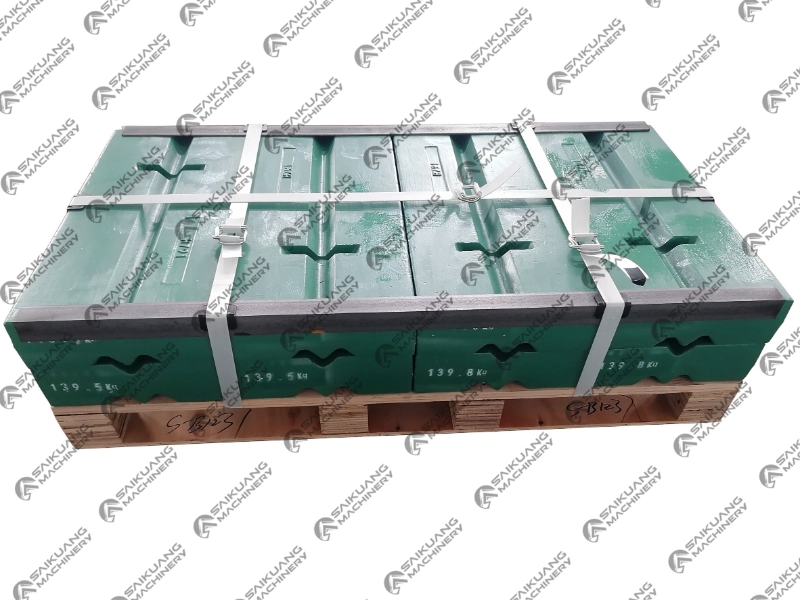
| Jaw | Compression | Jaw Plates (Fixed and Movable), Cheek Plates | Manganese alloy |
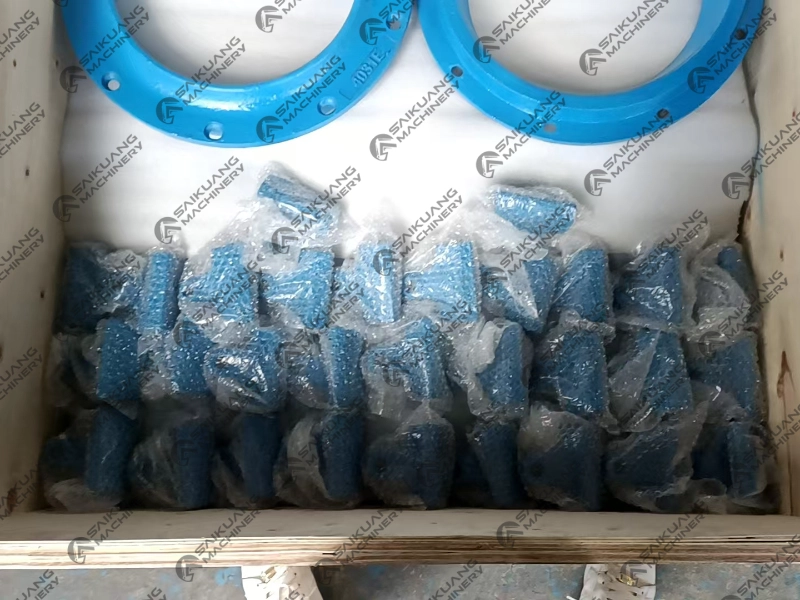
| Cone | Eccentric Compression | Mantle, Concave (Bowl Liner) | Manganese alloy |
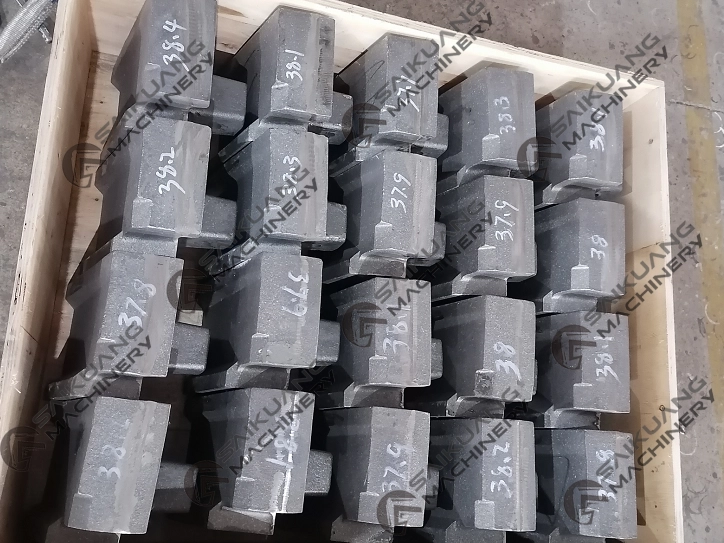
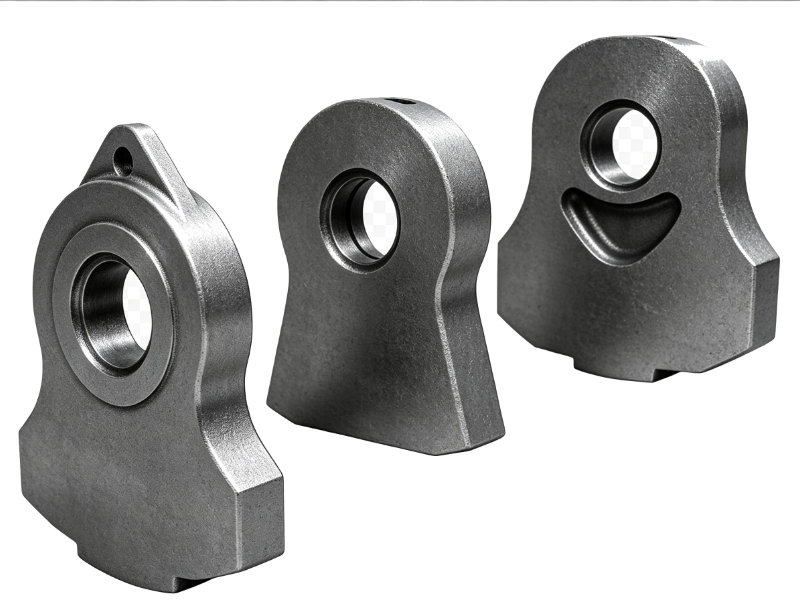
| Impact (HSI/VSI) | High-Speed Impact | Blow Bars, Impact Plates, Rotor Shoes, Anvils | Chrome iron, Ceramic composites |
| Gyratory | Continuous Compression | Mantle segments, Concave segments | High-grade Manganese |
Why Do These Components Matter So Much?
It is easy to view replacement liners as merely a recurring consumable expense. However, experienced plant managers understand that these components dictate the overall health and efficiency of the entire operation. Here is why they matter.
1. Direct Impact on Production Yield
As liners degrade, the closed-side setting (CSS) of the machine changes. A worn jaw plate or cone mantle will alter the crushing chamber’s geometry. This physical alteration leads to a decrease in throughput and an increase in oversized materials. High-quality components maintain their profile longer, ensuring consistent product gradation and minimizing the need to recirculate oversized rocks.
2. Safeguarding the Core Asset
Imagine running a car without brake pads; eventually, you will destroy the calipers and rotors. Similarly, running machinery with overly degraded liners will expose the permanent structural components (like the rotor, main frame, or eccentric shaft) to the harsh feed material. Replacing a set of blow bars is a standard maintenance procedure; replacing a damaged rotor is a catastrophic capital expense.
3. Energy Consumption and Efficiency
Dull or improperly worn chamber liners force the motor to work significantly harder to process the same amount of material. This drop in crushing equipment maintenance efficiency translates directly into a spike in electrical or diesel consumption. Sharp, properly profiled components grip and fracture rock efficiently, optimizing energy use per ton produced.
4. Minimizing Unscheduled Downtime
In the mining and aggregate sectors, downtime is the ultimate enemy. A sudden failure of an inferior liner halts the entire production chain. Premium components offer predictable lifespans, allowing operators to schedule change-outs during planned maintenance windows rather than suffering emergency shutdowns during peak production hours.
Material Selection: The Key to Optimization
Not all rocks are created equal, and therefore, neither are the components designed to crush them. The choice of metallurgy is heavily dependent on the compressive strength and abrasiveness of the feed material.
- Standard Manganese: Excellent for high-impact applications due to its unique hardening properties.
- High Chrome: Offers incredible abrasion resistance but is brittle, making it suitable for secondary or tertiary applications with smaller feed sizes.
- Advanced Composites: Blending the toughness of steel with the extreme hardness of ceramics to combat both impact wear and severe sliding abrasion.

Conclusion
Crusher wear parts are not just spare steel; they are the frontline soldiers of your production facility. By understanding their function, monitoring their degradation, and investing in high-quality metallurgy tailored to your specific application, you can transform a high-cost consumable into a strategic advantage. Optimized chamber profiles lead to better shape, higher throughput, and ultimately, a more profitable operation.
FAQ
Q1: How often should I replace my chamber liners?
A: There is no universal timeline. Replacement intervals depend entirely on the abrasiveness of your feed material (e.g., silica content), the operating hours, and the type of crusher. It is best determined by conducting regular visual inspections and tracking tons produced per set of liners.
Q2: Can I weld or repair worn liners to extend their life?
A: Generally, it is not recommended to weld structural liners like mantles or jaw plates, as the heat can alter the metallurgy and cause catastrophic cracking during operation. However, some non-structural areas or specific rotor components can be hard-faced by professional welders using specialized rods.
Q3: Does using premium aftermarket parts void my machine’s warranty?
A: In most jurisdictions, using high-quality aftermarket components from reputable foundries does not void the OEM warranty, provided the parts meet or exceed OEM specifications and are installed correctly. Always verify with your specific warranty documentation.