

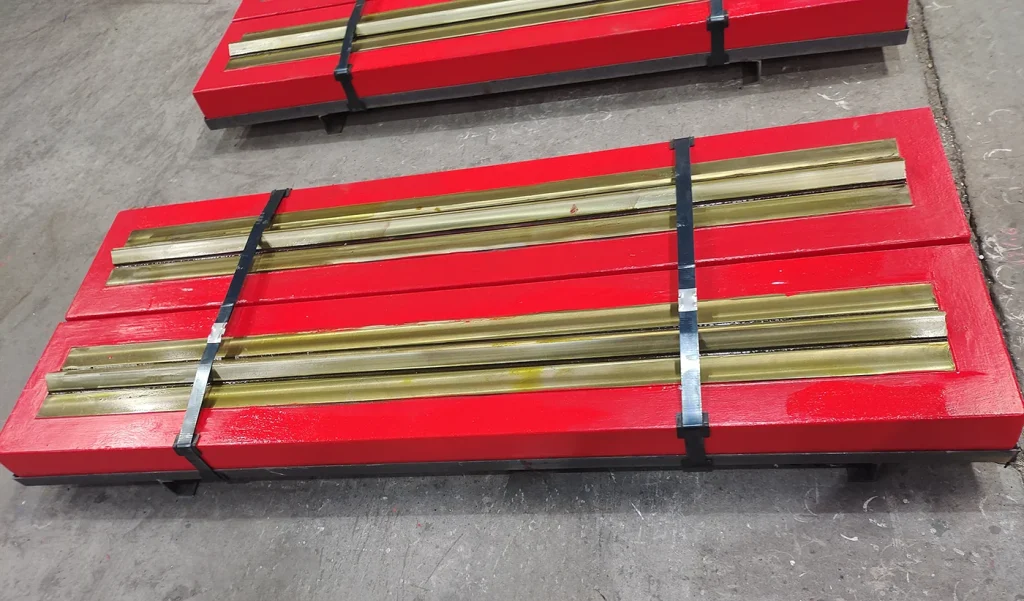
Blow Bar
What Are Blow Bars?
Impactor Blow bar is mainly composed of high-chromium steel. and specially adding rare metals such as mestal vanadium ,tungsten,moly etc , to improve blow bar wear resistance, hardness, and toughness.For Saikuang casting premium blow bar .we make special heat treatment process to have better mechanical performance:
(1) Premium performance in Blow bar Hardness -62HRC ;
(2) Premium Blow bar uniform hardness
(3) Premium performace in hardenability and toughness.
Understanding Blow Bars: Key spar parts in horizontal shaft impactor HSI
Blow bars are specifically designed for using within horizontal shaft impactor HSI. They serve a critical function by reducing material size through repeated striking during the crushing operation.
The blow bar is an integral part of the rotor assembly in horizontal impactors. When integrated into this system, these blow bars are subjected to intense rotational forces at extremely high speeds. This action causes the entire rotor to spin rapidly, repeatedly striking and fragmenting materials until they reach an appropriate size for release through the crusher chamber.
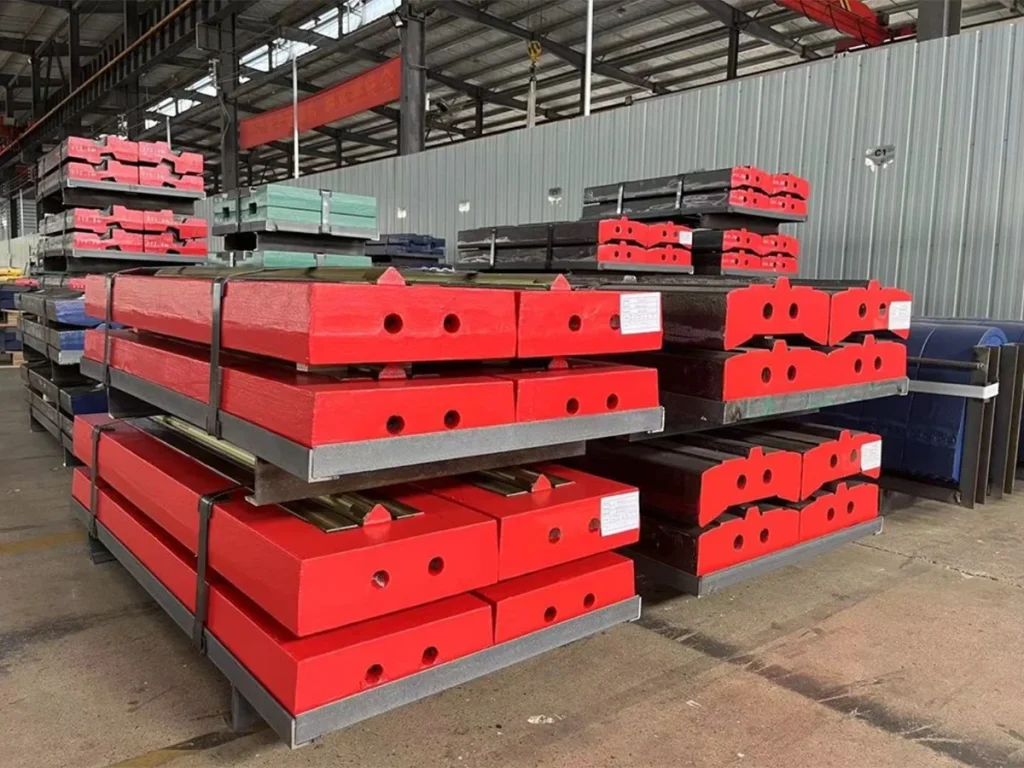
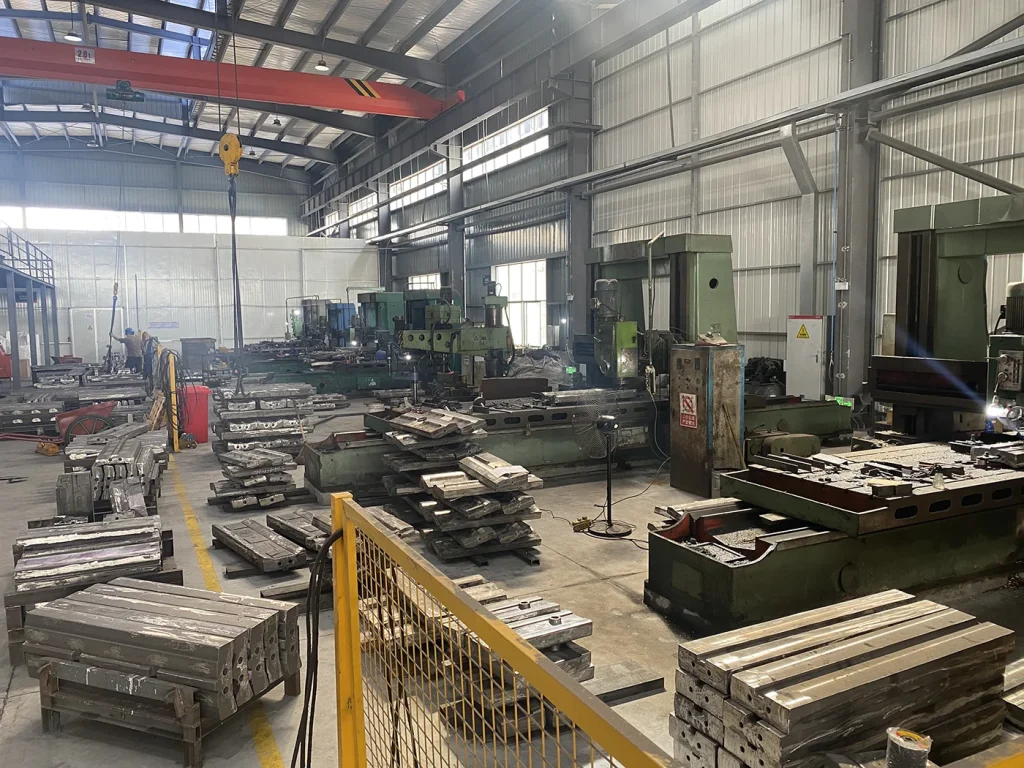
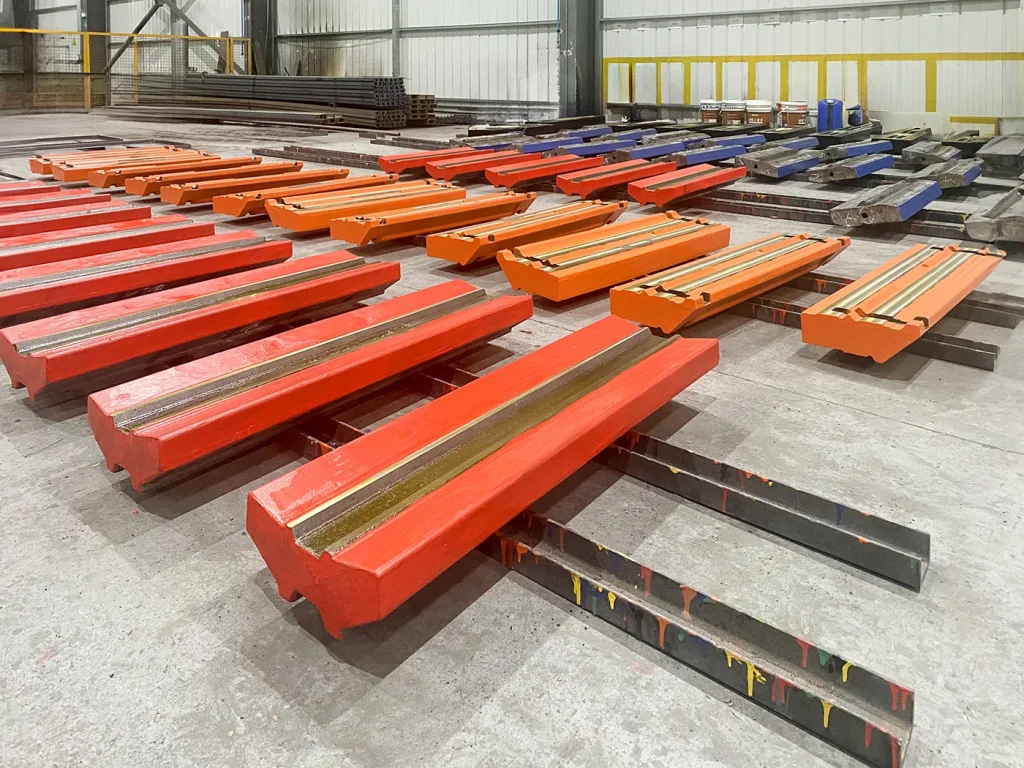
Advantage For Our Blow bar
① Thousands type of drawingsr and mold for OEM impact crusher blow bar & liners;
② 14 years of experiences for blow bar
③ We produce more wear-resistant products;
④ More material choose for Blow Bar
⑤Premium blow bar with competitive price;
⑥ More professional services and suggestions.
Genuine Alternative Spare Parts
Impact Crusher Blow Bars Made by SAIKUANG Casting
SAIKUANG Casting ,14 years of experiences with European partner , can offers different designs and manufactures various solutions of blow bar for an extensive range of OEM horizontal impact crusher brands including: Hazemag, Mesto, Kleemann, Rockster, Rubble Master, Powerscreen, Striker, Keestrack, McClosky, Eagle, Tesab, Finlay ,ARM, SBM LIMING, ZENITH and others.
SAIKUANG Casting “Genuine Alternative” blow bars are designed to extend wear life, provide a perfect interchangeable fitting for your impactor, and increase production rates while decreasing costs-per-ton.
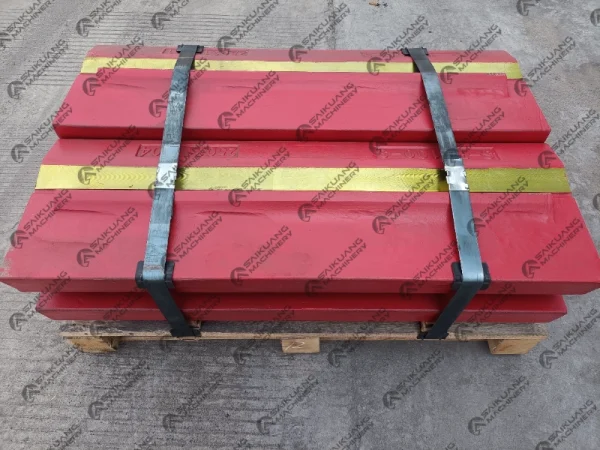
Rubble Master Blow Bars
Rubble Master Blow Bars Saikuang Casting is a leading manufacturer of premium-quality…
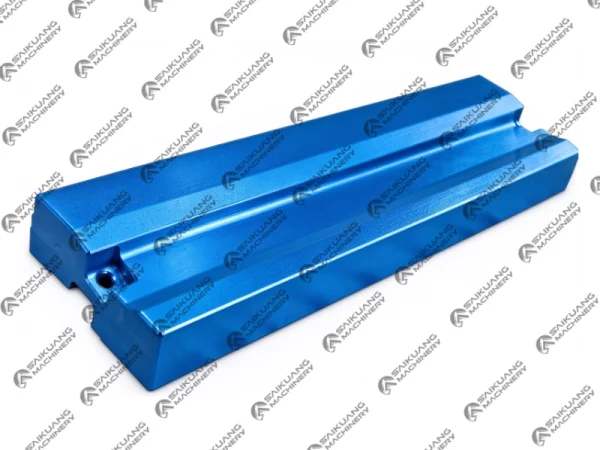
Keestrack Blow Bars
Keestrack Blow Bars Saikuang Casting is a leading manufacturer of premium-quality Keestrack…
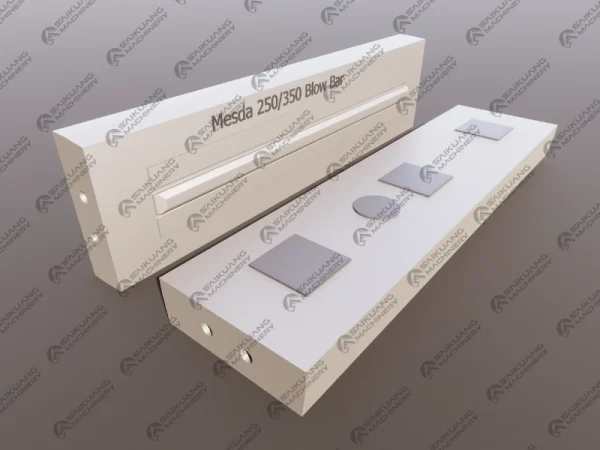
Mesda 250-350 Blow Bar
Excellent Mesda 250-350 Blow Bar Saikuang Casting is a leading manufacturer of…
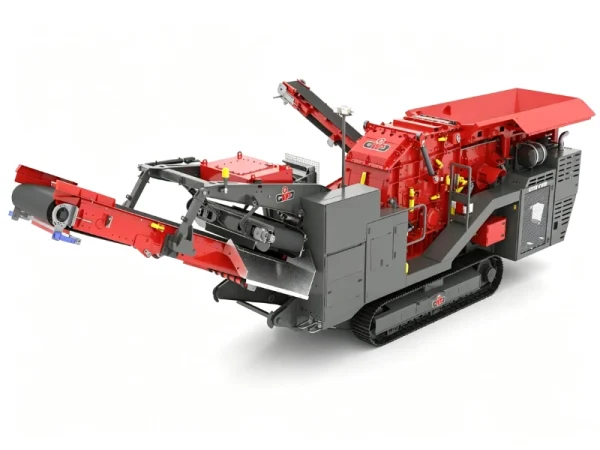
GIPO GP90 Blow Bar
Excellent GIPO GP90 Blow Bar Saikuang Casting is a leading manufacturer of…
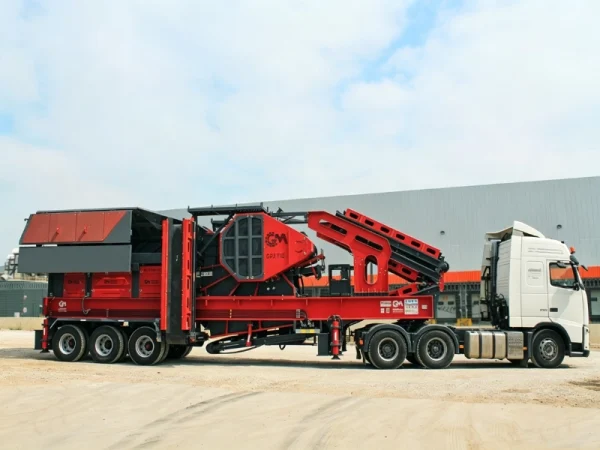
General Makina 1110
Excellent General Makina 1110 Blow Bar Saikuang Casting is a leading manufacturer…
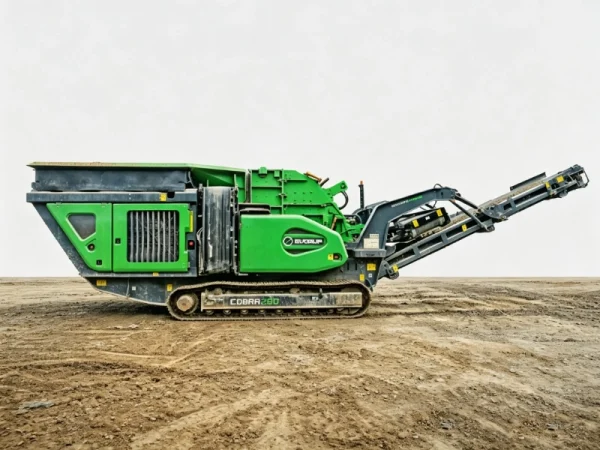
Terex Evoquip Cobra 290 Blow Bar
Excellent Terex Evoquip Cobra 290 Blow Bar Saikuang Casting is a leading…
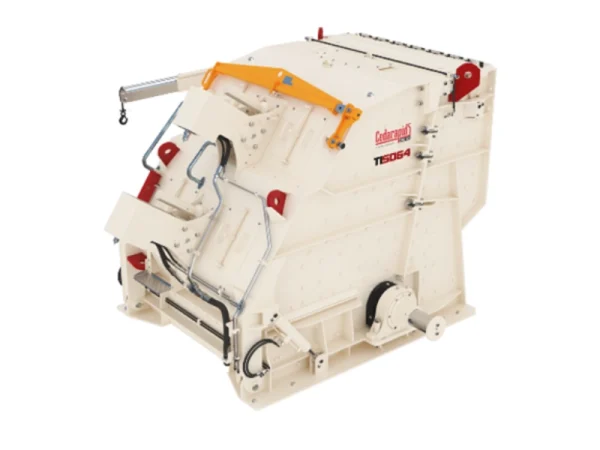
Terex Cedarapids 5064 HIS Blow Bar
Excellent Terex Cedarapids 5064 HIS Blow Bar Saikuang Casting is a leading…
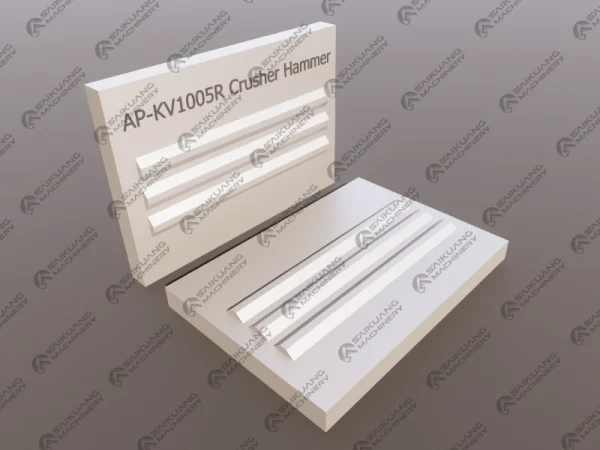
Elite HAZEMAG AP-KV1005R Crusher Hammer (Blow Bar)
HAZEMAG APK105 Ceramic Blow Bar is also made of alloy steel casting…
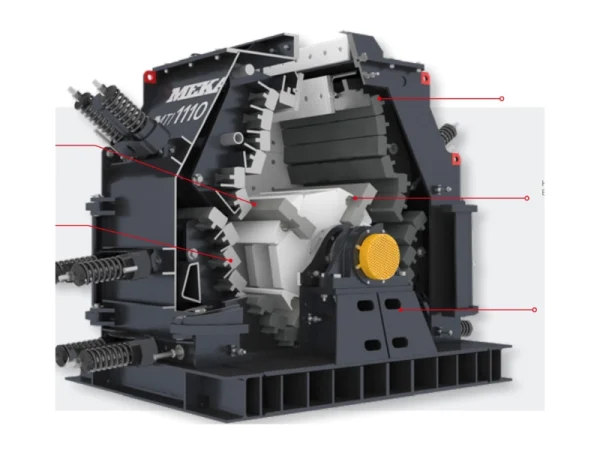
MEKA MTI1105 Blow Bar
Excellent MEKA MTI1105 Blow Bar Saikuang Casting is a leading manufacturer of…
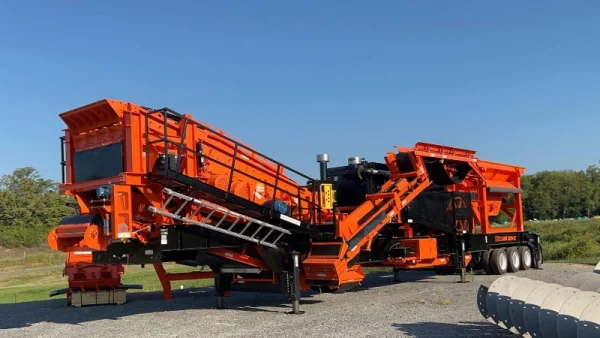
Eagle 1200 (UM025) blow bar
Excellent Eagle 1200 (UM025) Blow Bar Saikuang Casting is a leading manufacturer…
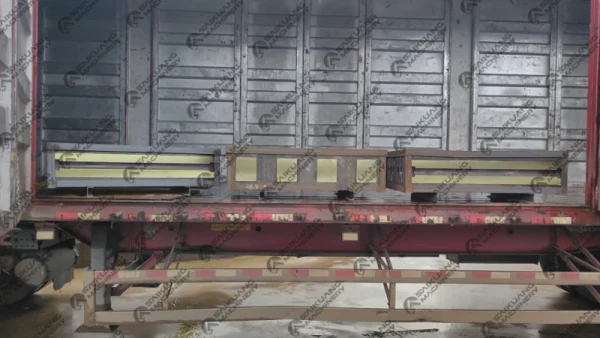
KPI-JCI(ASTEC) FT4240
Excellent KPI-JCI(ASTEC) FT4240 Blow Bar Saikuang Casting is a leading manufacturer of…
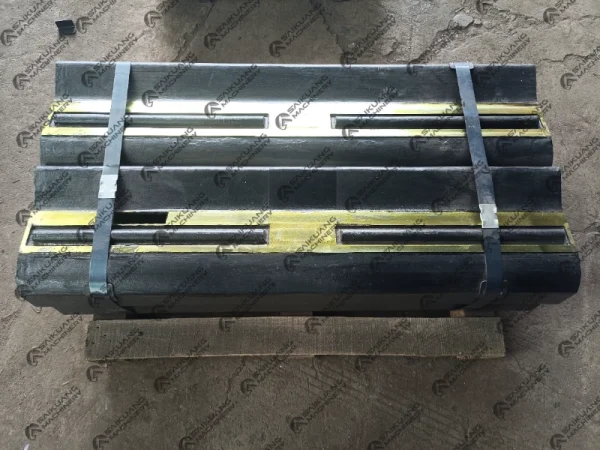
McCloskey I34 Blow Bar
Excellent McCloskey I34 Blow Bar Saikuang Casting is a leading manufacturer of…
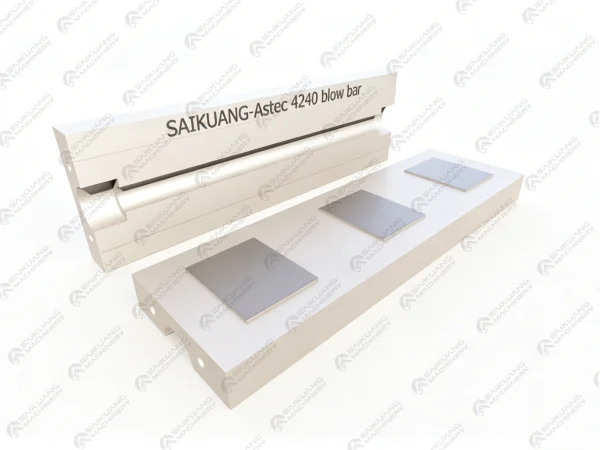
Astec 4240 Blow Bar
Exclusive Astec 4240 Blow Bar Saikuang Casting is a leading manufacturer of…
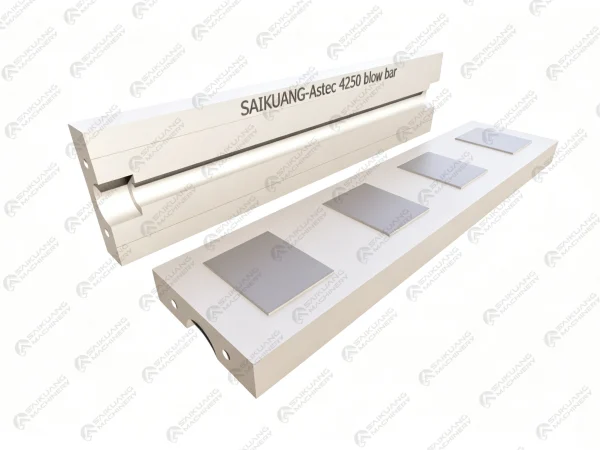
Astec 4250 Blow Bar
Exclusive Astec 4250 Blow Bar Saikuang Casting is a leading manufacturer of…
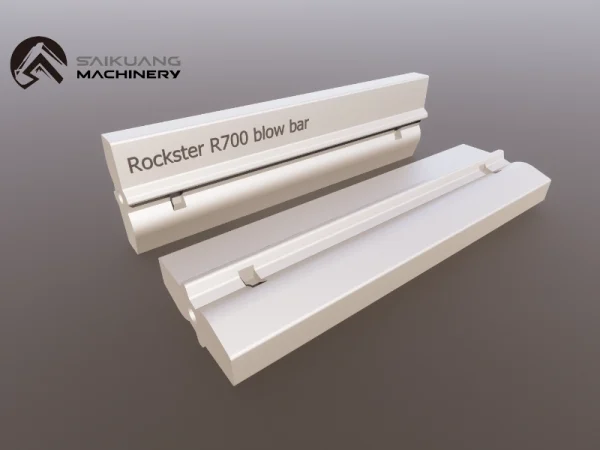
Excellent Rockster R700 Blow Bar
Excellent Rockster R700 Blow Bar Saikuang Casting is a leading manufacturer of…

Inertia 4048 Blow Bar
Excellent Inertia 4048 Blow Bar Saikuang Casting is a leading manufacturer of…
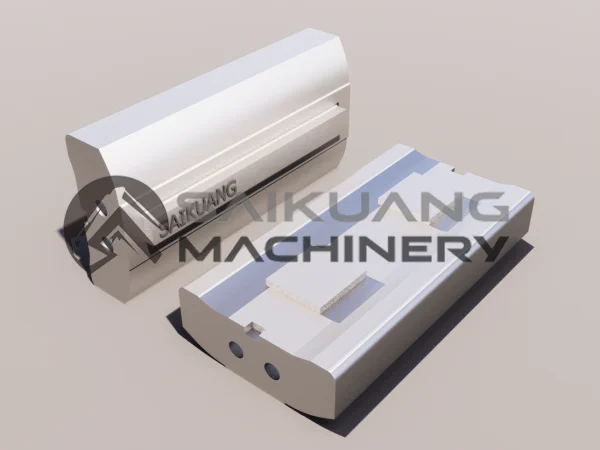
Excellent HENAN LIMING PFW1318II Blow Bar
Excellent HENAN LIMING PFW1318II Blow Bar Saikuang Casting is a leading manufacturer…
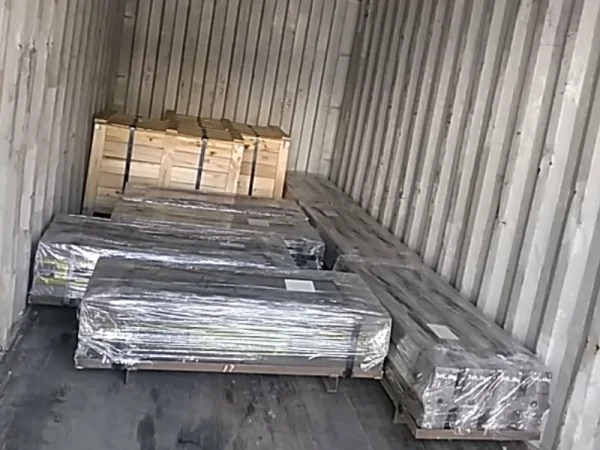
Irock 4043 Blow Bar
Excellent Irock 4043 Blow Bar Saikuang Casting is a leading manufacturer of…
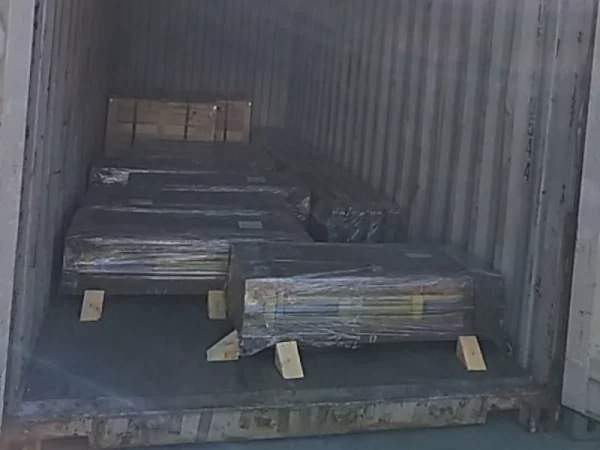
Screen Machine 4043 Blow Bar
Excellent Screen Machine 4043 Blow Bar Saikuang Casting is a leading manufacturer…
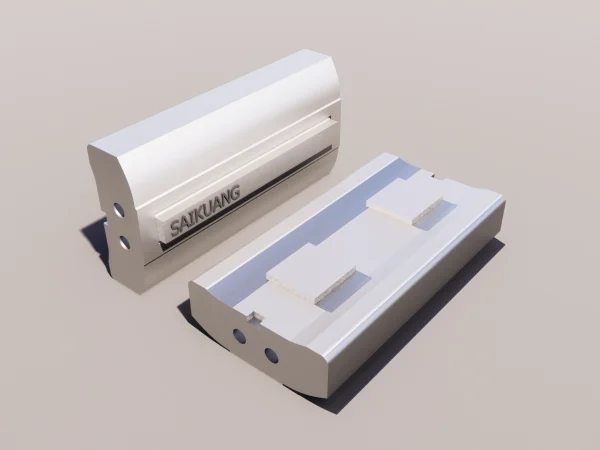
SBM PFW1214 Blow Bar
Excellent SBM PFW1214 Blow Bar Saikuang Casting is a leading manufacturer of…
ZENITH PFW1214 Blow Bar
Excellent ZENITH PFW1214 Blow Bar Saikuang Casting is a leading manufacturer of…
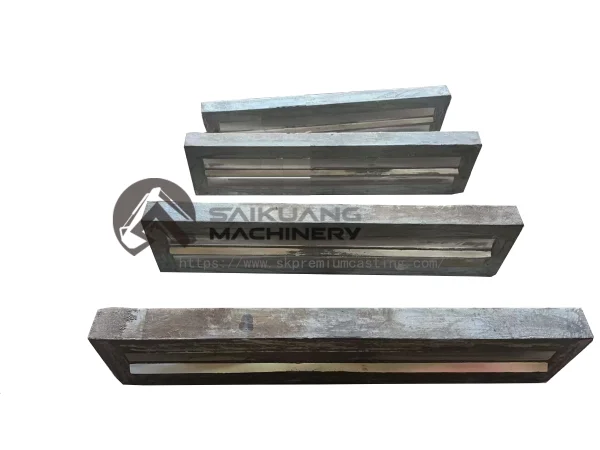
SBM CI5X 1315 blow bar
Excellent SBM CI5X 1315 BLOW BAR Saikuang Casting is a leading manufacturer…
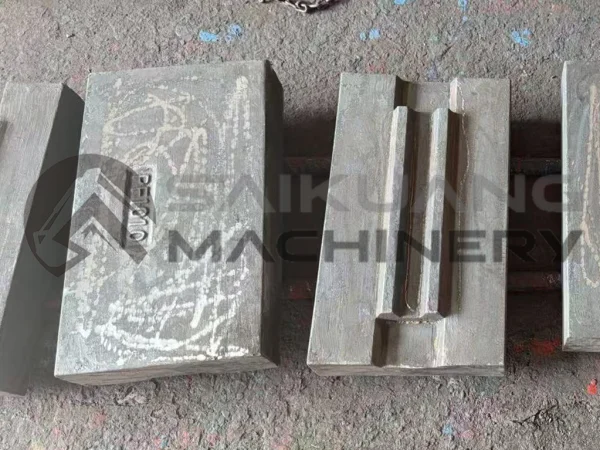
Excellent HENAN LIMING PF1010 Blow Bar
Excellent HENAN LIMING PF1010 Blow Bar Saikuang Casting is a leading manufacturer…
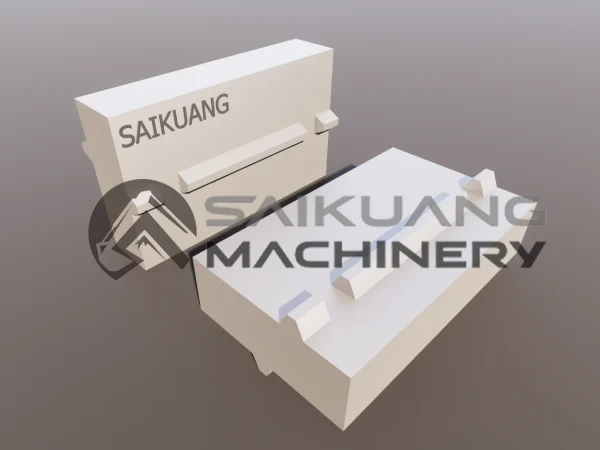
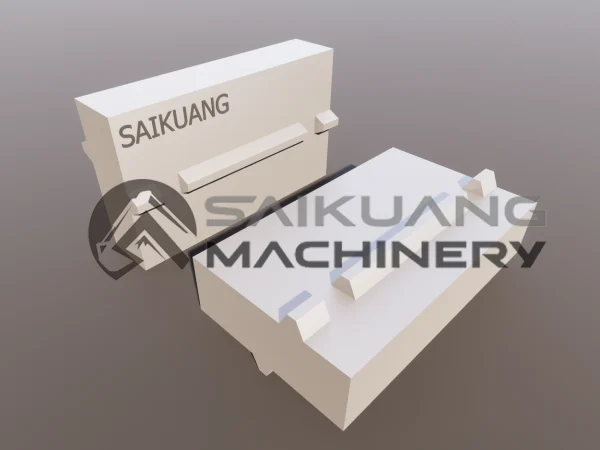
Excellent HENAN LIMING PF1210 Blow Bar
Excellent HENAN LIMING PF1210 Blow Bar Saikuang Casting is a leading manufacturer…
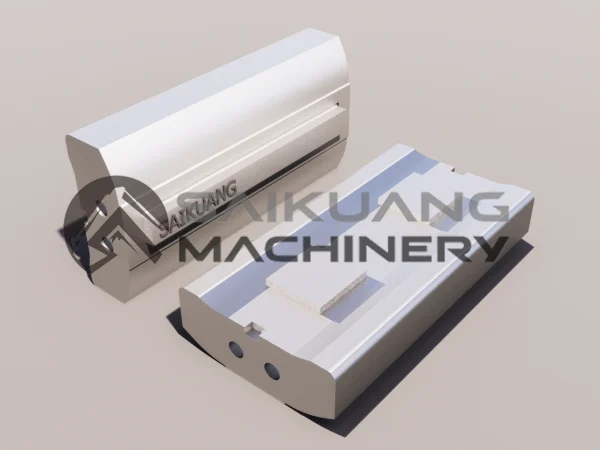
Excellent HENAN LIMING PF1214 Blow Bar
Exclusive HENAN LIMING PF1214 Blow Bar Saikuang Casting is a leading manufacturer…
Excellent HENAN LIMING PFW1214III Blow Bar
Excellent HENAN LIMING PFW1214III Blow Bar Saikuang Casting is a leading manufacturer…
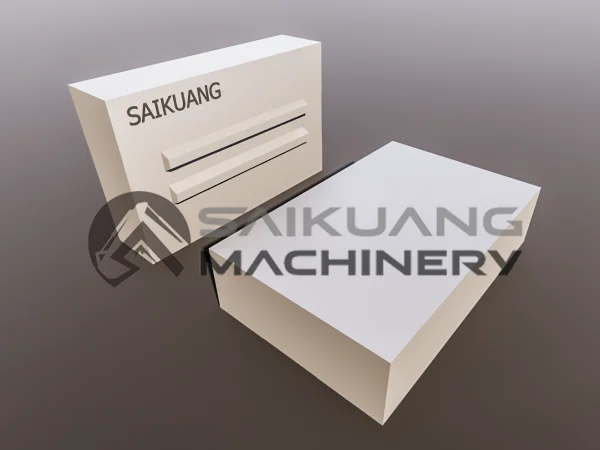
Excellent HENAN LIMING PF1315 Blow Bar
Excellent HENAN LIMING PF1315 Blow Bar Saikuang Casting is a leading manufacturer…
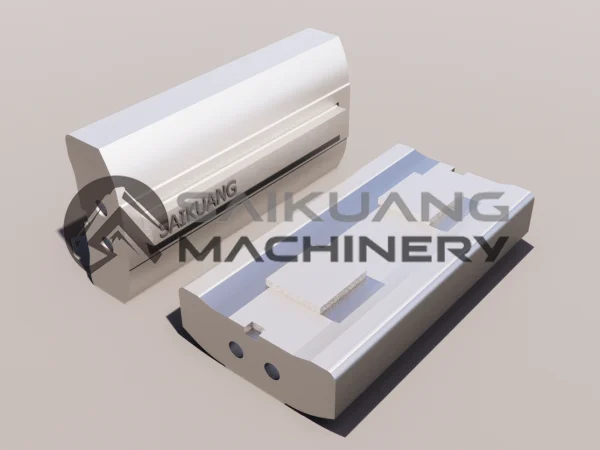
Excellent HENAN LIMING PFW1315II Blow Bar
Excellent HENAN LIMING PFW1315II Blow Bar Saikuang Casting is a leading manufacturer…
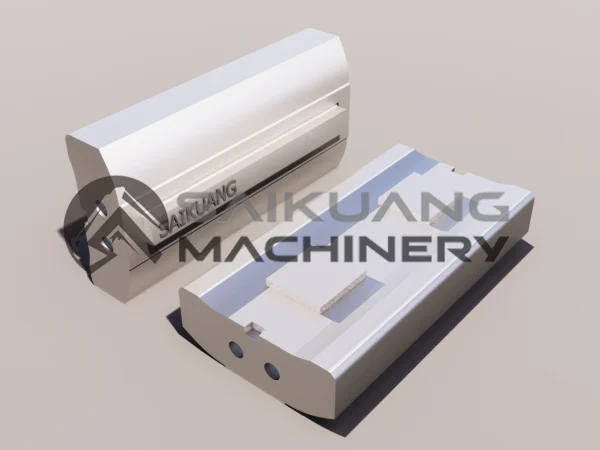
Excellent HENAN LIMING PFW1315Ⅲ Blow Bar
Excellent HENAN LIMING PFW1315Ⅲ Blow Bar Saikuang Casting is a leading manufacturer…
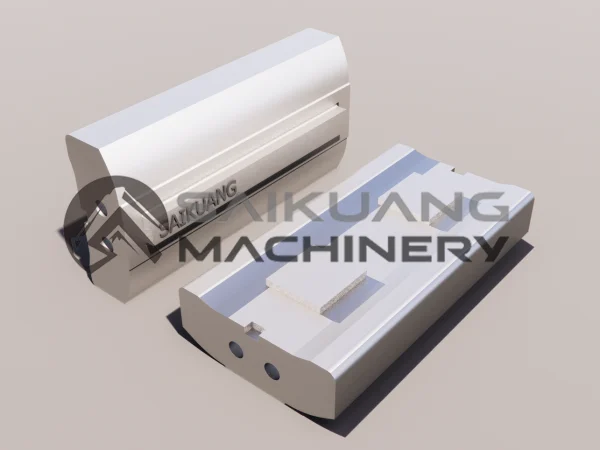
Excellent HENAN LIMING PFW1318Ⅲ Blow Bar
Excellent HENAN LIMING PFW1318Ⅲ Blow Bar Saikuang Casting is a leading manufacturer…
Excellent HENAN LIMING PFW1415II Blow Bar
Excellent HENAN LIMING PFW1415II Blow Bar Saikuang Casting is a leading manufacturer…
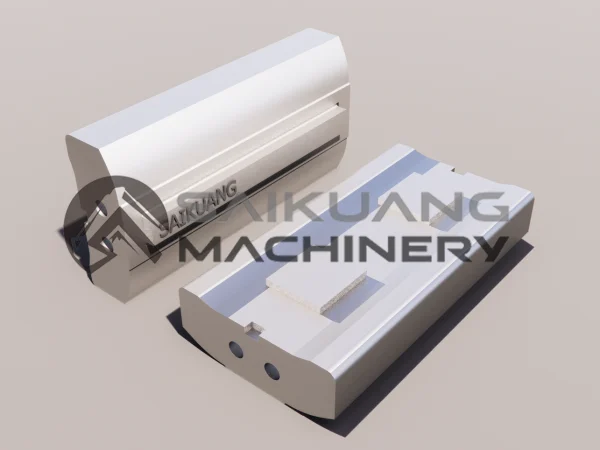
Excellent HENAN LIMING PFW1415Ⅲ Blow Bar
Excellent HENAN LIMING PFW1415Ⅲ Blow Bar Saikuang Casting is a leading manufacturer…

Exclusive SHANGHAI SBM PF1010 Blow Bar
Exclusive SHANGHAI SBM PF1010 Blow Bar Saikuang Casting is a leading manufacturer…

Exclusive SHANGHAI SBM PF1210 Blow Bar
Excellent SHANGHAI SBM PF1210 Blow Bar Saikuang Casting is a leading manufacturer…

Exclusive SHANGHAI SBM PF1214 Blow Bar
Exclusive SHANGHAI SBM PF1214 Blow Bar Saikuang Casting is a leading manufacturer…

Exclusive SHANGHAI SBM PF1315 Blow Bar
Excellent SHANGHAI SBM PF1315 Blow Bar Saikuang Casting is a leading manufacturer…

Exclusive SHANGHAI SBM PFW1315II Blow Bar
Exclusive SHANGHAI SBM PFW1315II Blow Bar Saikuang Casting is a leading manufacturer…

Exclusive SHANGHAI SBM PFW1214III Blow Bar
Exclusive SHANGHAI SBM PFW1214III Blow Bar Saikuang Casting is a leading manufacturer…

Exclusive SHANGHAI SBM PFW1315Ⅲ Blow Bar
Exclusive SHANGHAI SBM PFW1315Ⅲ Blow Bar Saikuang Casting is a leading manufacturer…

Exclusive SHANGHAI SBM PFW1318II Blow Bar
Exclusive SHANGHAI SBM PFW1318II Blow Bar Saikuang Casting is a leading manufacturer…

HAZEMAG 791 blow bar
Excellent HAZEMAG 791 blow bar Saikuang Casting is a leading manufacturer of…

Blow bar in Cement
Excellent HAZMAG 791 blow bar Saikuang Casting is a leading manufacturer of…
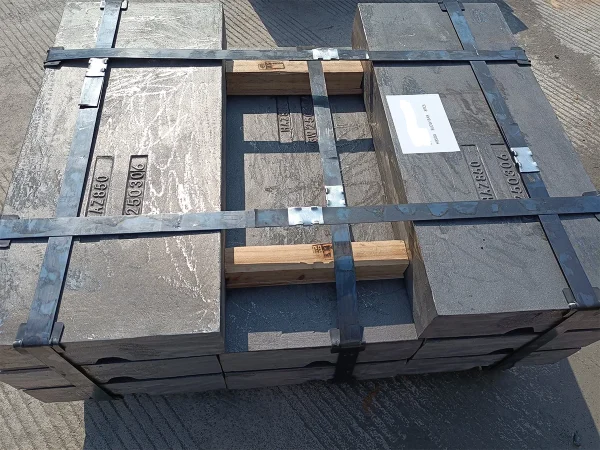
Ceramic HAZEMAG 850A blow bar
Excellent HAZEMAG 850A blow bar Saikuang Casting is a leading manufacturer of…

Terex XH250 Blow Bar
Excellent Terex XH250 Blow Bar Saikuang Casting is a leading manufacturer of…
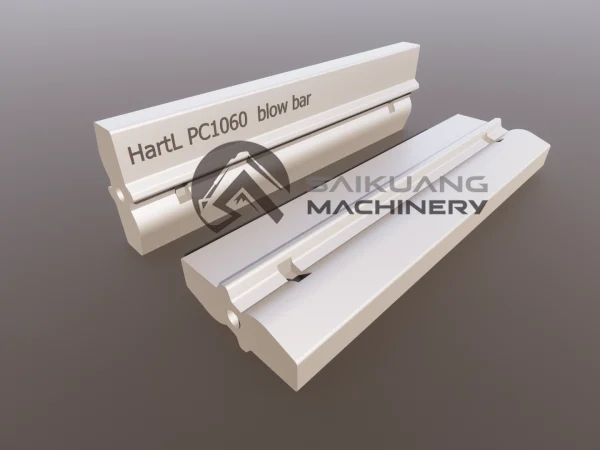
HartL PC1060 blow bar
Excellent HartL PC1060 blow bar Saikuang Casting is a leading manufacturer of…
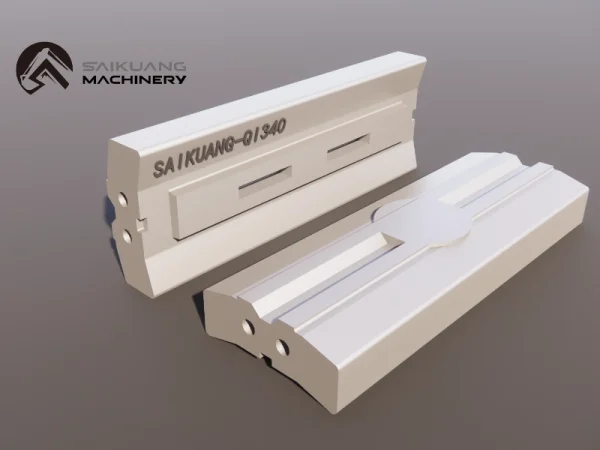
Sandvik QI341 Blow bar
Excellent Sandvik QI341 Blow bar Saikuang Casting is a leading manufacturer of…
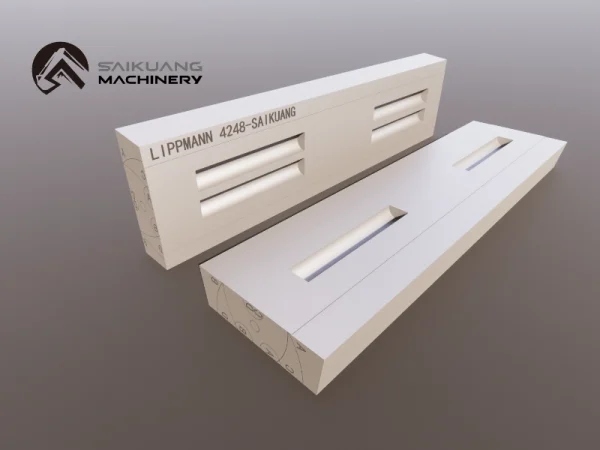
Lippmann 4248 Blow bar
Excellent Lippmann 4248 Blow Bar Saikuang Casting is a leading manufacturer of…
LIMING CI5X 1315 blow bar
Excellent LIMING CI5X 1315 BLOW BAR Saikuang Casting is a leading manufacturer…

Tesab RK 1012 Blow Bar
Excellent Tesab RK 1012 Blow Bar Saikuang Casting is a leading manufacturer…

Terex Finlay I-120 Blow Bar
Excellent Terex Finlay I-120 Blow Bar Saikuang Casting is a leading manufacturer…
Metallurgy of the Blow Bars
SAIKUANG Casting impact crusher blow bars are available in a variety of metallurgies to accomodate your unique crushing needs. The range of metallurgies includes Manganese, Low Chrome, Medium Chrome, High Chrome, Martensitic and Composite Ceramic.
Austenitic Manganese steel or Mn steel blow bar
After being subjected to a strong impact,blow bar hardness can be increased from 230HBW to 55-60HRC
Impact toughness can reach 30-35J/cm2; it has extremely strong shock resistance and hardness. widely used in primary impactor crushing applications.
this type blow bar performs exceptionally well under high impact loads and high extrusion stresse,as it can have work-hard performance .
However, if feed material is highly abrasive, the hardening effect will be negligible. In such cases, In this case other wear materials will offer better results. Ask us for advice.
| Material Support : ASTM A128 Gr A & B2 & B3, BS 3100 Gr BW10, SABS 407 ASTM A128C ZGMn13Cr2 ZGMn18Cr2 ZGMn20Cr3;ZGMN22CR3 |
Chrome steel Blow bar
this type had thrree types according to Different Chrome contents , to be low chrome alloy steel;Mid Chrome steel , and High alloy steel blow bar
Thess blow bar hardness can be from 50 to 64HRC with Different heat treatment methods; The particle shape for feed stone produced by blow bar is highly suitable for use on highways and railways.
Now popular chrome blow bar brand have German Hazemag 1010, 1313, 1515, Mesto LT 1110, 1213, 1315; SBM LIMING CI5X series: CI5X1110, CI5X1213, Cl5X1315, CI5X1520, CI5X1313, C5X1415, CI5X1620, C15X2023; PFW Series: 1214Ⅱ, 1315Ⅱ, 1318Ⅱ, 1415Ⅱ, 1214Ⅲ, 1315Ⅲ, 1318Ⅲ, 1415Ⅲ;
Chrome steel bars are more popular amongst our clients, especially in the Middle East. Chrome is used in manufacturing products that can withstand highly abrasive crushing processes. Because Of their splintery texture, they are best at fracturing more enormous rocks. They can also aid in shredding other coarse materials smaller in feed size. We offer all kinds of graded chrome bars to match your product needs.
Metallographic organization photo


| High Chrome Casting Material Chemical Composition | |||||||||
|---|---|---|---|---|---|---|---|---|---|
| Code Elem | Cr | C | Na | Cu | Mn | Si | Na | P | HRC |
| KmTBCr4Mo | 3.5-4.5 | 2.5-3.5 | / | / | 0.5-1.0 | 0.5-1.0 | / | ≤0.15 | ≥55 |
| KmTBCr9Ni5Si2 | 8.0-1.0 | 2.5-3.6 | 4.5-6.5 | 4.5-6.5 | 0.3-0.8 | 1.5-2.2 | 4.5-6.5 | / | ≥58 |
| KmTBCr15Mo | 13-18 | 2.8-3.5 | 0-1.0 | 0-1.0 | 0.5-1.0 | ≤1.0 | 0-1.0 | ≤0.16 | ≥58 |
| KmTBCr20Mo | 18-23 | 2.0-3.3 | ≤2.5 | ≤1.2 | ≤2.0 | ≤1.2 | ≤2.5 | ≤0.16 | ≥60 |
| KmTBCr26 | 23-30 | 2.3-3.3 | ≤2.5 | ≤2.0 | ≤1.0 | ≤1.2 | ≤2.5 | ≤0.16 | ≥60 |
MARTENSITIC STEEL
Martensite is a completely carbon-saturated type of iron that is made by quick cooling-off. It is only in the subsequent heat treatment that carbon is removed from the martensite, which improves the strength and wear properties. The hardness of this steel ranges between 44 to 57 HRC and the impact strength between 100 and 300 J/cm².
Thus, with regard to hardness and toughness, martensitic steels lie between manganese steel and chrome steel. They are used if the impact load is too little to harden the manganese steel, and/ or good wear resistance is required along with good impact stress resistance.
METAL MATRIX WITH CERAMIC COMPOSITES
Metal Matrix Composites, combine the high resistance of the metal matrix with extremely hard ceramics. Porous preforms made of ceramic particles are produced in the process. The metallic molten mass penetrates into the porous ceramic network. The experience and knowledge are particular to the casting process in which two different materials – steel with a thichness of 7.85 g/cm³ and ceramic with a thickness of 1-3 g/cm³ – are combined and there is a thorought infiltration.
This combination makes the blow bars especially wear-resistance but at the same time very impact-resistant. WIth blow bars made of composites from the field of ceramics, a service life that is three to five times as long as that of martensitic steel can be achieved.