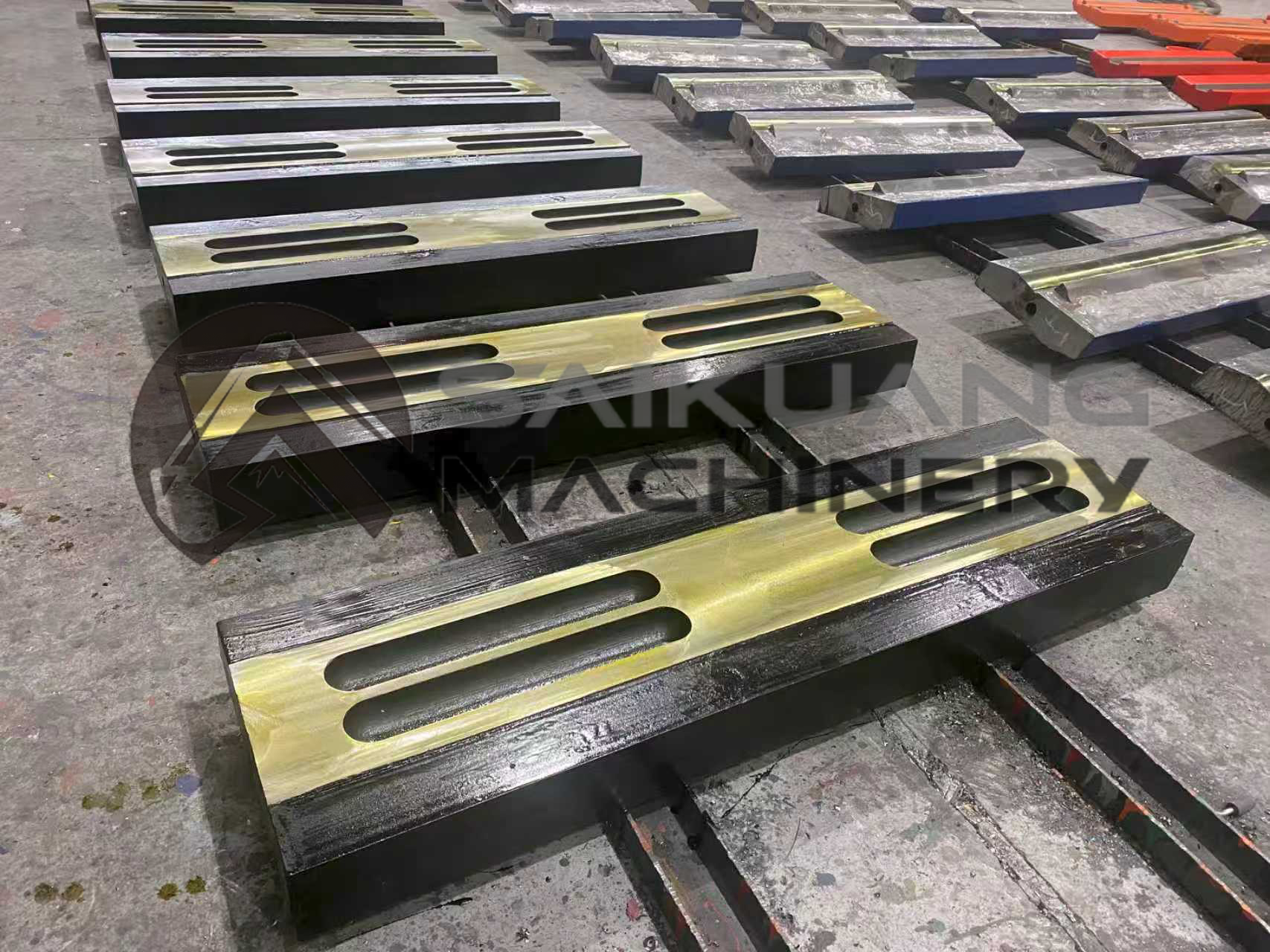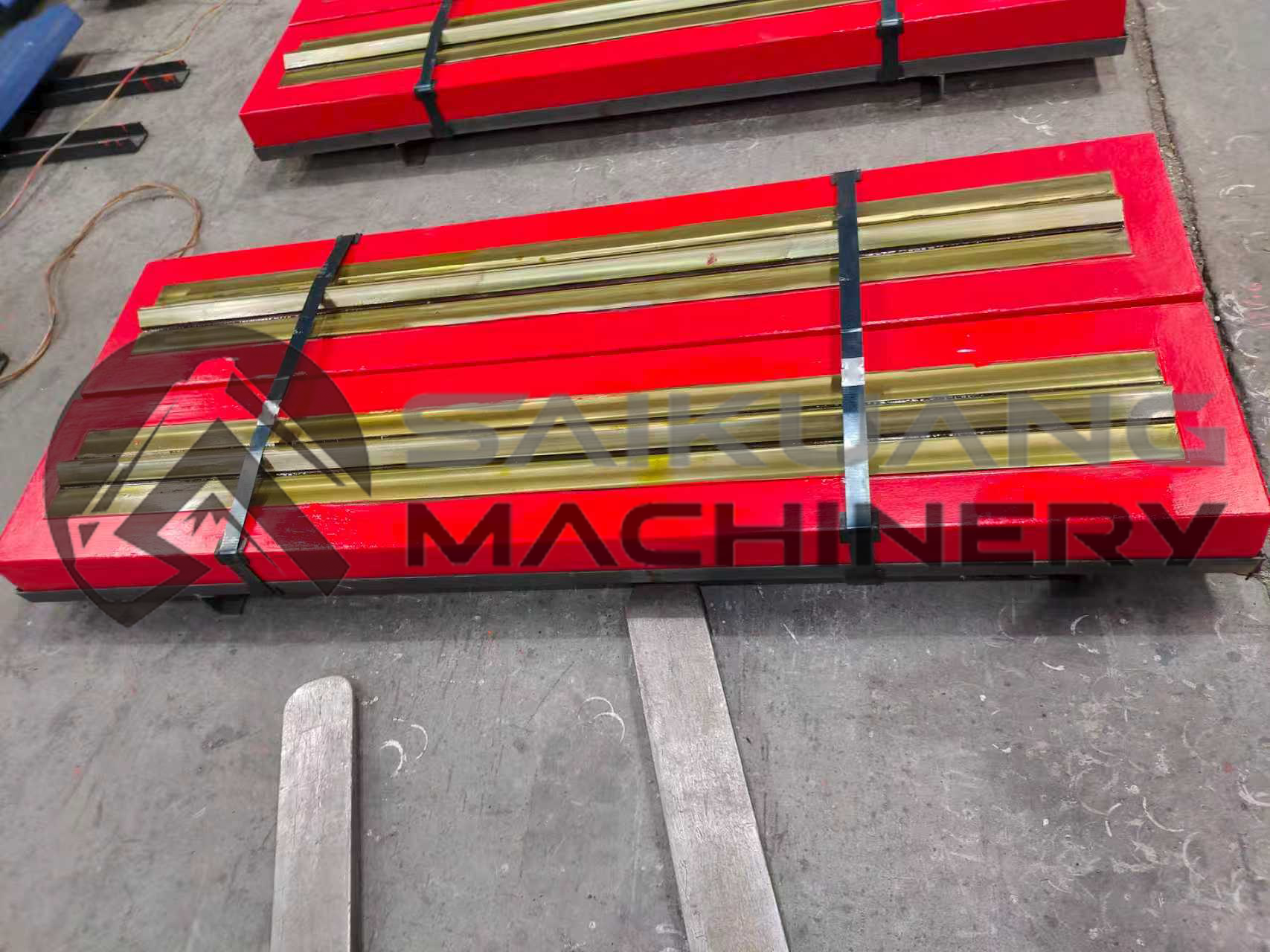

Horizontal Shaft Impactors (HSI) are prized in the aggregate and recycling industries for their high reduction ratios and excellent cubical product shape. However, this performance comes at a cost: extreme wear and tear on the rotor’s primary weapons—the blow bars.
For decades, plant operators had to choose between tough, impact-resistant metals that wore out quickly, or ultra-hard metals that were prone to catastrophic shattering. Today, advanced metallurgy has provided a third option that is revolutionizing the industry. This article explores the mechanics and economic advantages of modern composite technologies.
The Limitation of Traditional Monometals
In a standard impactor, the blow bar strikes the falling rock at incredibly high speeds. This subjects the metal to two distinct types of destructive forces simultaneously:
- High Impact: The kinetic shock of striking a large boulder.
- Severe Abrasion: The sliding friction of the rock particles scraping across the face of the bar.
Traditional High-Chrome iron provides incredible resistance to abrasion but lacks the structural toughness to handle large feed sizes or uncrushable tramp metal. Conversely, traditional manganese or standard alloy steel can handle the massive impacts but suffers from rapid wear due to abrasion.
Enter the Matrix: What are Ceramic Composites?
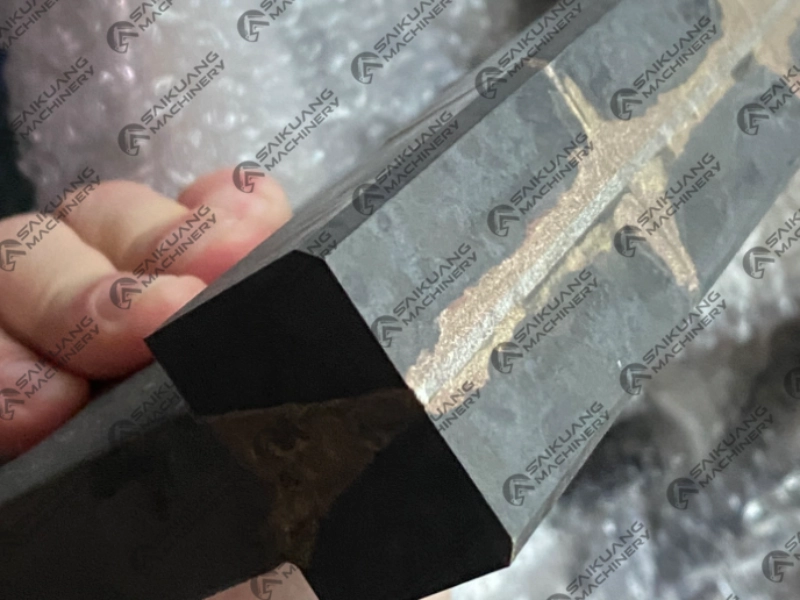
To solve this dilemma, engineers moved beyond single-alloy castings and developed ceramic composite blow bars. This technology involves physically embedding ultra-hard ceramic particles (typically Zirconia-Alumina ceramics) into a molten steel matrix during the foundry casting process.
The result is a bi-metallic “super component.”
- The Matrix: The body of the bar is poured using a durable alloy (often a specialized martensitic steel or high-chrome iron). This matrix provides the structural backbone, absorbing the heavy shock impacts and preventing the bar from breaking in half.
- The Inserts: The embedded ceramic lattice is positioned precisely on the leading edge of the blow bar—the highest wear zone. Ceramics possess an astronomical hardness rating, far exceeding that of any pourable steel, making them nearly impervious to sliding abrasion.
Performance Comparison: The Data Speaks
When placed in highly abrasive environments (such as crushing river gravel with high silica content or recycling concrete full of rebar), the difference in wear life is staggering.
| Blow Bar Material | Impact Resistance | Abrasion Resistance | Typical Wear Life (Index) | Risk of Catastrophic Breakage |
|---|---|---|---|---|
| Manganese Steel | Excellent | Poor | 1.0x (Baseline) | Very Low |
| High Chrome (Monometal) | Low | Excellent | 2.5x | High (if feed size is too large) |
| Martensitic + Ceramic | Very Good | Outstanding | 3.0x – 4.5x | Low |
| High Chrome + Ceramic | Moderate | Extreme | 4.0x – 6.0x | Moderate |
The Economic Impact of Upgrading
While ceramic-embedded bars carry a significantly higher upfront purchase price compared to standard alloys, they dramatically improve overall impact crusher efficiency. The return on investment is realized through several key avenues:
1. Drastic Reduction in Downtime
Changing blow bars is a labor-intensive process that requires the entire plant to halt. If a ceramic bar lasts three times as long as a standard bar, you have eliminated two complete maintenance shutdowns, clawing back hours of profitable production time.
2. Maintained Crusher Geometry
As traditional steel wears down, the gap between the rotor and the apron widens, leading to a drop in production and poorer rock shape. Because ceramics wear down incredibly slowly, the optimal geometric profile of the blow bar is maintained for a much longer duration, ensuring consistent throughput and product quality from day one to day thirty.
3. Lower Cost-Per-Ton
Ultimately, crushing is a game of margins. While the invoice for the parts is higher, the massive increase in total tonnage produced per set of bars almost always results in a significantly lower wear cost per ton.
Conclusion
The shift toward ceramic composite blow bars represents one of the most significant leaps forward in crushing wear technology in the last twenty years. By successfully marrying the extreme hardness of ceramics with the impact toughness of steel, operators no longer have to compromise. For quarries processing highly abrasive materials, making the switch is not just an operational upgrade; it is a profound financial advantage.
FAQ
Q1: Can ceramic blow bars handle tramp iron (uncrushable metal) in the feed?
A: If you frequently encounter large tramp iron (like excavator teeth or massive rebar), a Martensitic matrix with ceramic inserts is highly recommended. The martensitic body can absorb the shock of the uncrushable item much better than a High Chrome matrix, preventing the bar from shattering.
Q2: Are ceramic composite bars suitable for primary jaw crushers?
A: Currently, this specific technology is predominantly used in Impact Crushers (blow bars, impact plates) and VSI crushers. Primary jaw crushers rely on compression rather than high-speed impact, and standard work-hardening manganese remains the most reliable and cost-effective solution for jaw plates.
Q3: How do I know when a ceramic blow bar is fully worn and needs flipping/replacement?
A: The wear parameters are similar to standard bars. You should replace or flip the bar before the wear penetrates past the ceramic insert depth and begins to aggressively attack the softer steel matrix behind it, or before it risks exposing the rotor body to damage.