
What Is a Jaw Plate?
A jaw plate is a key part of a jaw crusher. There are two main jaw plates: the fixed jaw plate and the movable jaw plate. These two plates work together to crush rocks inside the crushing chamber.
When the crusher runs, the movable jaw plate moves back and forth. It presses the rocks against the fixed jaw plate. The strong squeezing force breaks large rocks into smaller gravel.
Because jaw plates directly touch hard stones all the time, they wear out quickly. So you need to replace them regularly.
What Happens If You Choose Wrong Jaw Plates?
If you use poor‑quality or wrong‑type jaw plates, you may face:
-
Lower crushing output
-
Poor finished stone size
-
More frequent machine stops
-
Higher maintenance costs
Choosing the right jaw plates helps you reduce total operating costs and keep production stable.
Main Types of Jaw Plates by Material
Most jaw plates are made of high‑manganese steel. Different grades suit different working conditions.
1. Mn13Cr2 Jaw Plates
-
Basic manganese steel grade.
-
Advantages: Low cost, good toughness.
-
Best for: Soft rocks like limestone, and sites with low to medium impact.
2. Mn18Cr2 Jaw Plates
-
The most commonly used material.
-
Advantages: Good balance of toughness and wear resistance. It hardens under strong impact.
-
Best for: Medium‑hard rock, mixed ore, and construction waste recycling. Works for most quarry jobs.
3. Mn22Cr2 Jaw Plates
-
Premium high‑manganese material for heavy work.
-
Advantages: Very strong, hard to break, and longer life.
-
Best for: Hard granite, basalt, large feed size, and primary crushing with heavy impact.
4. TIC Insert Jaw Plates
-
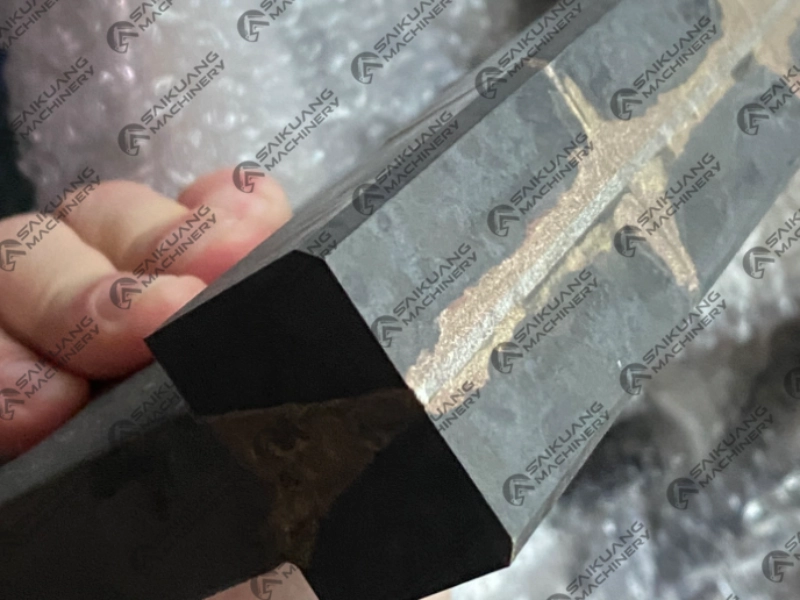
TIC stands for titanium carbide insert. Hard alloy blocks are embedded in the manganese steel body.
-
Advantages: Much better wear life – 2 to 4 times longer than normal manganese plates.
-
Best for: Highly abrasive rocks like quartzite and river stone.
-
Note: The purchase price is higher, but you replace them less often, saving time and labor.
How to Choose the Right Jaw Plate
Before you order, consider these 4 key points:
1. What material you are crushing
-
Soft rock (limestone) → choose Mn13Cr2 or Mn18Cr2.
-
Hard and abrasive rock (granite, quartz) → choose Mn22Cr2 or TIC insert plates.
2. Tooth shape on the jaw plate
Different tooth shapes control the final stone size.
-
Standard flat tooth – for general crushing.
-
Sharp tooth – good for breaking big blocks.
Choose the tooth shape that matches your desired output size. The wrong profile may cause material to block inside the crusher.
3. Match your crusher model
Jaw plates are not universal. They must fit your specific crusher brand and model, such as Metso C series, Sandvik CJ series, or PE series jaw crushers. Wrong sizes can cause loose installation and damage other parts.
4. Balance price and service life
Don’t just look at the unit price. Think about the cost per ton of finished material. A slightly more expensive plate that lasts longer can save you downtime and labor costs in the long run.
Tips for Using and Maintaining Jaw Plates
-
Jaw plates usually wear more at the bottom (discharge area). You can flip them 180 degrees to use the other side before they are completely worn out. This gives you more use from each plate.
-
When installing new plates, keep the mounting surface clean and make sure the plates sit flat. Loose plates can break unexpectedly.
-
Check the wear condition regularly during machine inspections. Replace worn plates in time to protect the main frame and other components.
About Saikuang Casting – Reliable Supplier of Jaw Crusher Parts
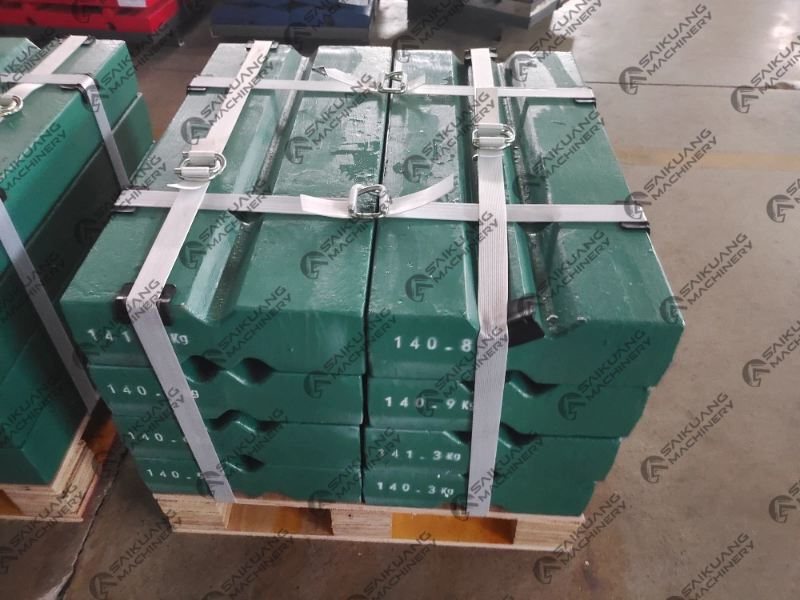
Saikuang Casting provides full‑range replacement jaw plates for customers worldwide. We produce Mn13Cr2, Mn18Cr2, Mn22Cr2, and TIC insert jaw plates.
Our Advantages
-
Multiple material options – we can adjust the alloy formula based on your raw materials and site conditions.
-
Strict heat‑treatment process – every batch is tested for hardness and chemical composition, and we can provide inspection reports.
-
Precise dimensions – our plates are direct replacements, easy to install on original crushers. They fit Metso, Sandvik, Terex, and PE series jaw crushers.
-
Custom service – we accept orders based on your model number, drawings, or physical samples.
Other Parts We Supply
we also offer other jaw crusher parts: cheek plates, toggle plates, toggle seats, and wedge parts. In addition, we make cone crusher parts, VSI crusher parts, and impact crusher wear parts.
If you need high‑quality jaw crusher parts, please tell us your crusher model, crushed material, or OEM part number. We will give you proper suggestions and a competitive factory price.