
In the demanding world of aggregate production, mining, and recycling, efficiency is paramount. Every minute a crusher sits idle represents lost revenue and delayed operations. One of the most significant contributors to this lost productivity is equipment wear and tear, particularly concerning the blow bars in impact crushers. Finding ways to reduce crusher downtime is a constant battle for site managers. Upgrading to high-quality ceramic blow bars has emerged as a proven strategy to extend wear life, improve crushing efficiency, and ultimately keep operations running smoothly.
This comprehensive guide explores the critical role blow bars play in impact crushers, the common reasons for their failure, and how investing in ceramic blow bar technology can dramatically reduce crusher downtime and improve your bottom line.
Understanding the Role of Blow Bars in Impact Crushers
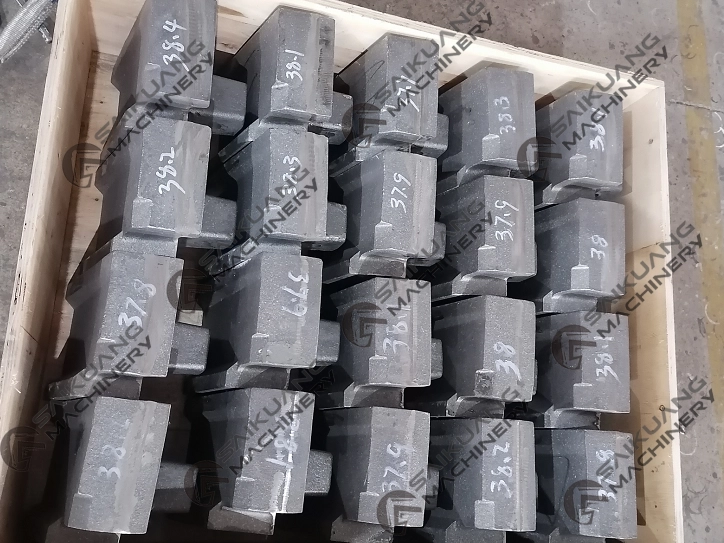
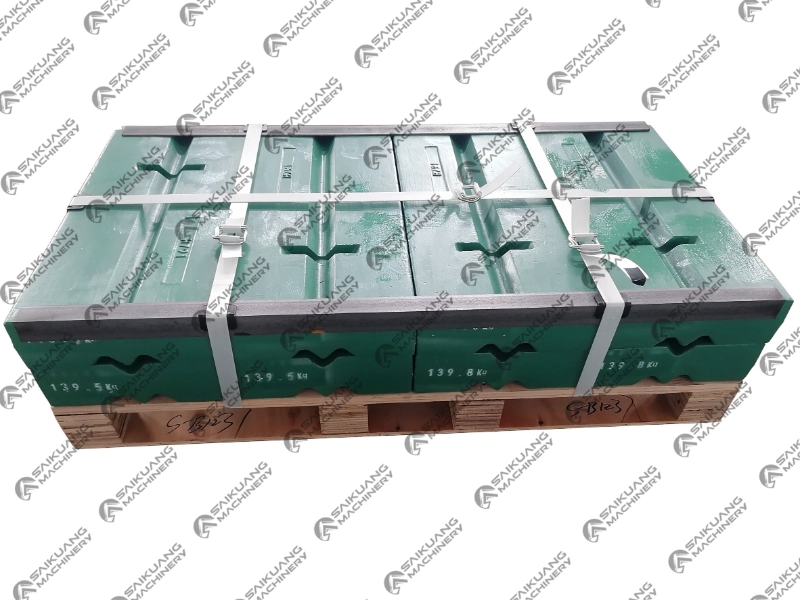
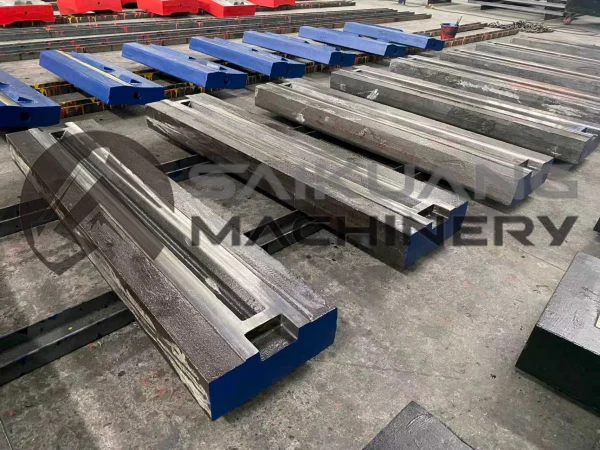
Before diving into solutions, it’s essential to understand the mechanics. Horizontal Shaft Impactors (HSI) rely heavily on blow bars (also known as hammers) to fracture material. These heavy, rectangular slabs of metal are inserted into the crusher’s rotor. As the rotor spins at high speeds, the blow bars strike the incoming feed material—rock, concrete, or asphalt—shattering it upon impact. The material is then hurled against apron liners (or breaker plates) for further reduction before exiting the machine.
Because they are the primary point of contact with abrasive and heavy materials, blow bars endure extreme impact and abrasion. They are inherently wear parts, designed to be replaced. However, the frequency of replacement is where the true cost lies, encompassing not just the price of the part, but the labor and the critical loss of production during the changeout process.
The True Cost of Crusher Downtime
Downtime is the enemy of profitability in any crushing operation. The costs associated with unexpected or frequent blow bar changes extend far beyond the purchase price of the replacements.
- Lost Production: This is the most significant and immediate cost. When the crusher stops, the entire production line often comes to a halt. Every hour of lost production translates directly to lost revenue.
- Labor Costs: Replacing blow bars is a labor-intensive process, requiring skilled maintenance personnel, specialized tools, and often lifting equipment.
- Safety Risks: Any maintenance activity involves inherent risks. Frequent blow bar changes increase the exposure of personnel to potential accidents.
- Secondary Equipment Idle Time: If the primary crusher goes down, secondary crushers, screens, and conveyors may also sit idle, further amplifying the inefficiency.
- Missed Deadlines: In contract crushing or tight project schedules, unexpected downtime can lead to missed deadlines and potential penalties.
Therefore, extending the wear life of these critical components is a primary strategy to reduce crusher downtime and maximize operational efficiency.
Traditional Blow Bar Materials: The Limitations
Historically, blow bars have been manufactured from various metallic alloys, each chosen based on the specific application—balancing impact resistance (toughness) with wear resistance (hardness).
Manganese Steel
Manganese steel is renowned for its toughness and work-hardening properties. As it is subjected to impact, the surface becomes harder while the core remains ductile, preventing catastrophic breakage.
- Pros: Excellent impact resistance; ideal for crushing large, hard feed material (e.g., primary crushing of limestone or concrete with rebar).
- Cons: Relatively poor resistance to pure abrasion. In highly abrasive applications, manganese blow bars can wear out very quickly.
High Chrome White Iron
High chrome alloys offer exceptional hardness, making them highly resistant to abrasive wear.
- Pros: Excellent wear life in highly abrasive, low-impact applications (e.g., crushing asphalt or abrasive gravel).
- Cons: Brittle. High chrome blow bars are susceptible to breaking if subjected to severe impact or uncrushable tramp metal in the feed.
Martensitic Alloy Steel
Martensitic steel aims to provide a middle ground, offering better impact resistance than high chrome and better wear resistance than manganese.
- Pros: Good balance of toughness and hardness; versatile for various applications.
- Cons: May not excel in extremes—neither the toughest nor the most wear-resistant option available.
While these traditional materials have served the industry well, the constant push for higher productivity and lower operating costs has driven the need for more advanced solutions to reduce crusher downtime.
The Innovation of Ceramic Blow Bars
The introduction of ceramic technology into crusher wear parts has revolutionized the industry. High-quality ceramic blow bars, often referred to as Metal Matrix Composites (MMC), combine the best properties of different materials to achieve unprecedented performance.
What are Ceramic Blow Bars?
These are not solid ceramic bars, as solid ceramic would be too brittle to withstand the impact of crushing. Instead, ceramic blow bars are composite components. They consist of a tough metallic matrix (usually martensitic steel or high chrome iron) into which high-hardness ceramic particles or inserts are cast or embedded, typically concentrated in the primary wear zones (the striking faces).
How the Composite Structure Works
The metallic matrix provides the necessary toughness and shock absorption, preventing the blow bar from shattering upon impact with large rocks or tramp metal. The ceramic inserts provide extreme hardness and resistance to abrasion. As the metallic matrix slowly wears away, it continuously exposes fresh ceramic surfaces to the feed material, maintaining a sharp crushing edge and drastically slowing the overall wear rate.
Key Benefits of Using High-Quality Ceramic Blow Bars
Upgrading to ceramic MMC blow bars offers a multitude of advantages that directly contribute to the goal to reduce crusher downtime.
1. Significantly Extended Wear Life
The most prominent benefit is longevity. Depending on the application, high-quality ceramic blow bars can last 2 to 4 times longer than standard mono-alloy bars (like manganese or high chrome).
- Impact on Downtime: Doubling or tripling the wear life means halving or cutting the frequency of blow bar changes by two-thirds. This directly translates to more hours of uninterrupted production and significantly less maintenance downtime.
2. Maintained Crushing Profile and Efficiency
Traditional metal blow bars tend to round off as they wear. A rounded blow bar profile reduces crushing efficiency; it tends to smear or push the material rather than fracture it cleanly. This leads to increased recirculation loads, lower throughput, and higher energy consumption.
- The Ceramic Advantage: The wear characteristics of the ceramic composite help maintain a sharper leading edge throughout the life of the blow bar. This consistent profile ensures that crushing efficiency remains high, maximizing throughput and product quality from installation to replacement.
3. Versatility Across Applications
Because the metallic matrix can be tailored (e.g., using a martensitic matrix for higher impact or a high chrome matrix for extreme abrasion), ceramic blow bars can be optimized for a wide range of applications, from primary crushing of limestone to recycling abrasive concrete and asphalt.
4. Reduced Overall Cost Per Ton
While the initial purchase price of high-quality ceramic blow bars is higher than standard metal bars, the total cost of ownership is often significantly lower.
- Cost Calculation: The cost per ton of crushed material is the true metric. When you factor in the extended wear life, the increased production volume, and the drastic reduction in maintenance labor and downtime costs, ceramic blow bars routinely deliver a lower cost per ton crushed.
Summary Comparison: Traditional vs. Ceramic Blow Bars
| Feature | Manganese Steel | High Chrome | Ceramic Composite (MMC) |
|---|---|---|---|
| Primary Strength | Impact Resistance (Toughness) | Abrasion Resistance (Hardness) | Both (Tough Matrix + Hard Wear Surface) |
| Weakness | Poor in highly abrasive conditions | Brittle; prone to breakage under heavy impact | Higher initial purchase price |
| Wear Profile | Tends to round off quickly | Maintains edge better than manganese | Maintains sharpest edge throughout life |
| Expected Life span | Baseline | Moderate improvement in abrasive apps | 2x to 4x baseline lifespan |
| Impact on Downtime | High frequency of changes | Moderate frequency of changes | Significant reduction in downtime |
Best Practices for Maximizing Blow Bar Life and Reducing Downtime
While investing in high-quality ceramic blow bars is a major step forward, maximizing their lifespan and further minimizing downtime requires proper operational and maintenance practices.
1. Proper Selection Based on Application
Not all ceramic blow bars are created equal. The choice of the metallic matrix (martensitic vs. chrome) and the configuration of the ceramic inserts must match the specific crushing application.
- Consult with wear part experts to analyze your feed material (hardness, abrasiveness, maximum feed size) and operational goals to select the optimal ceramic composite bar. Using a chrome-matrix ceramic bar in a high-impact primary application could lead to breakage, negating the benefits.
2. Strict Tramp Metal Management
Tramp metal (uncrushable objects like excavator teeth, loader bucket lips, or heavy rebar) is the enemy of any blow bar, including ceramic ones. While the metallic matrix provides toughness, a direct, severe impact from large tramp metal can cause catastrophic failure.
- Implement robust tramp metal detection and removal systems, such as overband magnets or metal detectors on the feed conveyor, to protect the crusher internals.
3. Maintain Correct Rotor Speed
The rotor speed must be optimized for the specific feed material and desired product size. Operating the rotor at excessively high speeds increases the impact forces and wear rates exponentially without necessarily improving throughput. Conversely, running too slow can lead to poor crushing performance and blockages.
4. Regular Inspection and Rotation
Even with extended life, blow bars need regular monitoring.
- Establish a routine inspection schedule to check for wear patterns, cracking, or damage.
- Most blow bars are reversible. Ensure they are rotated (flipped) at the correct intervals to maximize utilization of the wear material before replacement is necessary. Failing to rotate them timely can result in uneven wear and premature failure of the bar or damage to the rotor.
5. Proper Feed Presentation
The material should be fed into the crusher evenly across the entire width of the rotor.
- Uneven feeding causes localized wear on specific sections of the blow bars, leading to premature failure and forcing a changeout even if the rest of the bar has life remaining. Ensure the feeder is correctly adjusted to provide a consistent, spread-out flow of material.
Conclusion
In the relentless pursuit of operational efficiency, site managers must look beyond the initial purchase price of wear parts and focus on total cost of ownership and production availability. The frequent maintenance stops required by traditional metallic blow bars represent a significant hidden cost in lost revenue.
By adopting high-quality ceramic blow bars, operations can fundamentally alter this equation. The synergistic combination of a tough metallic matrix and ultra-hard ceramic inserts delivers unparalleled wear life and maintains crushing efficiency over a longer period. While the upfront investment is higher, the ability to dramatically reduce crusher downtime, lower maintenance costs, and increase overall production makes ceramic blow bars a highly strategic and profitable upgrade for impact crushing operations.
FAQs
Q1: Can ceramic blow bars handle primary crushing applications with large feed sizes?
A: Yes, but correct selection is crucial. For primary crushing where impact forces are high, you must use ceramic blow bars with a martensitic steel matrix. The martensitic steel provides the necessary toughness to absorb the heavy impacts without shattering, while the ceramic inserts provide the wear resistance. Using a high-chrome matrix ceramic bar in a primary application is generally not recommended due to the risk of breakage.
Q2: Are high-quality ceramic blow bars cost-effective for crushing highly abrasive materials like asphalt or glass?
A: Absolutely. This is where they often show the greatest return on investment. In highly abrasive applications, standard metal bars wear out rapidly. Ceramic blow bars, particularly those with a high-chrome matrix, excel in these conditions, often lasting several times longer than standard chrome bars, drastically reducing maintenance downtime and the overall cost per ton.
Q3: Do I need to modify my crusher rotor to use ceramic blow bars?
A: In most cases, no. High-quality ceramic blow bars are designed to be direct replacements (drop-in fits) for standard OEM metal blow bars. They utilize the same wedges and clamping mechanisms. However, it is always recommended to verify compatibility with your specific crusher make and model when ordering.