
How to Choose VSI Crusher Parts?
VSI crushers run at high speed and take constant impact. The quality of wear parts directly affects your plant’s uptime and total operating cost.
Many buyers only compare the unit price when buying VSI Crusher Parts. But cheap parts often wear out quickly and cause frequent unplanned stops. Two sets of rotor tips for the same machine can have very different lifespans – good ones may last over 300 hours, while low‑cost alternatives can fail in less than 80 hours.
The real measure is cost per ton processed, not the purchase price. This guide gives you practical tips to choose a reliable VSI Crusher Parts manufacturer and avoid common mistakes.
Main VSI Crusher Parts You Should Know
Every part inside a VSI crusher is in the material flow path. Poor quality hurts the whole system.
-
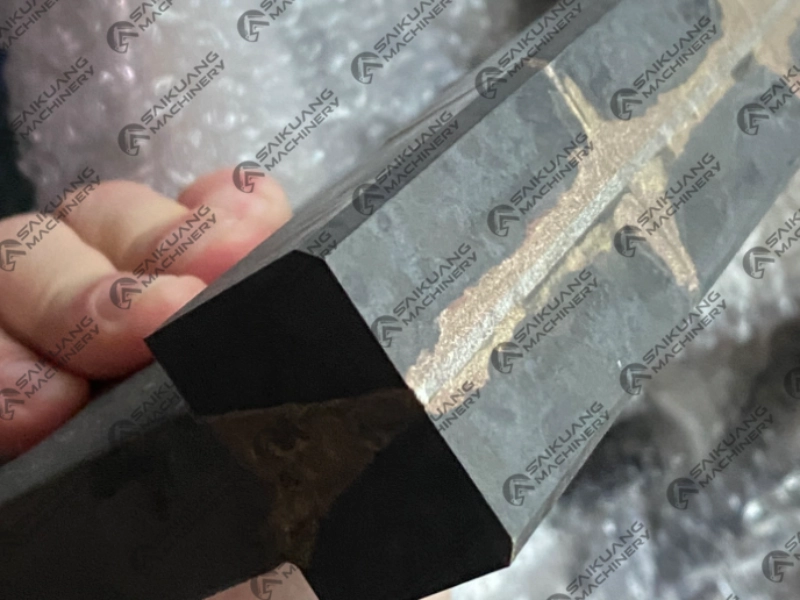
Rotor tips – The main consumable. They throw rocks at high speed and take both abrasion and impact. Standard high‑chrome tips work for medium‑hard rock. For hard, silica‑rich stone, choose tungsten‑carbide insert tips. Even with the same material grade, poor heat treatment can cut life by 30‑50%.
-
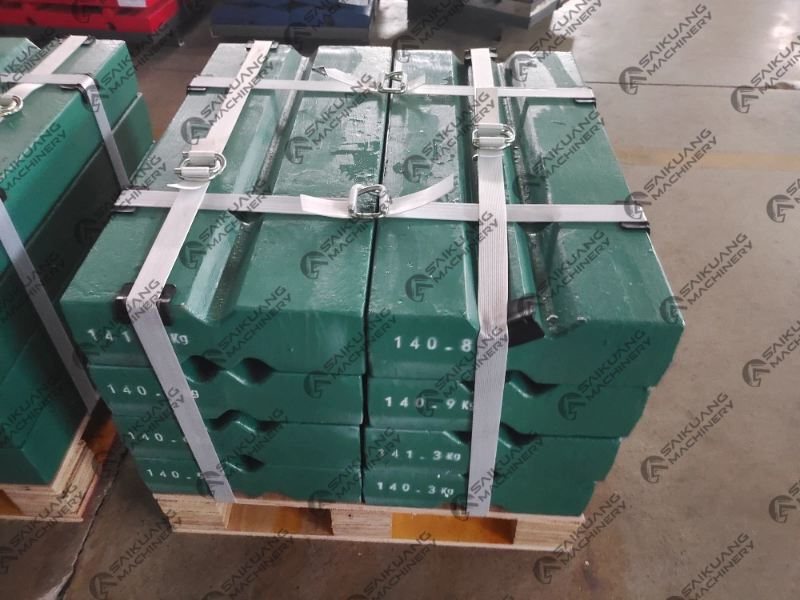
Anvils – They receive high‑speed rock impact in “rock‑on‑metal” mode. Correct casting shape and alloy consistency are critical. Wrong dimensions cause uneven wear and shorter change intervals.
-
Wear plates and table liners – Protect the rotor body and crushing chamber. Don’t use low‑grade manganese steel for highly abrasive rock – it will wear out fast and raise annual cost.
-
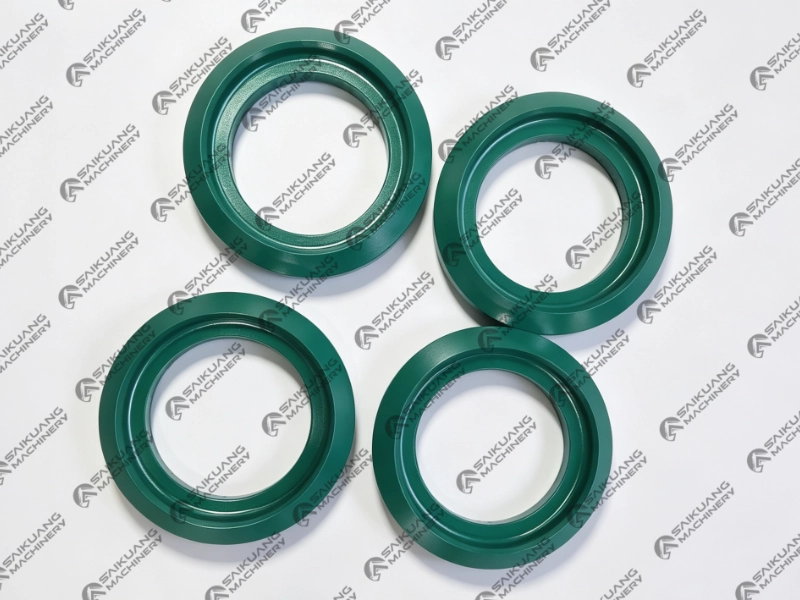
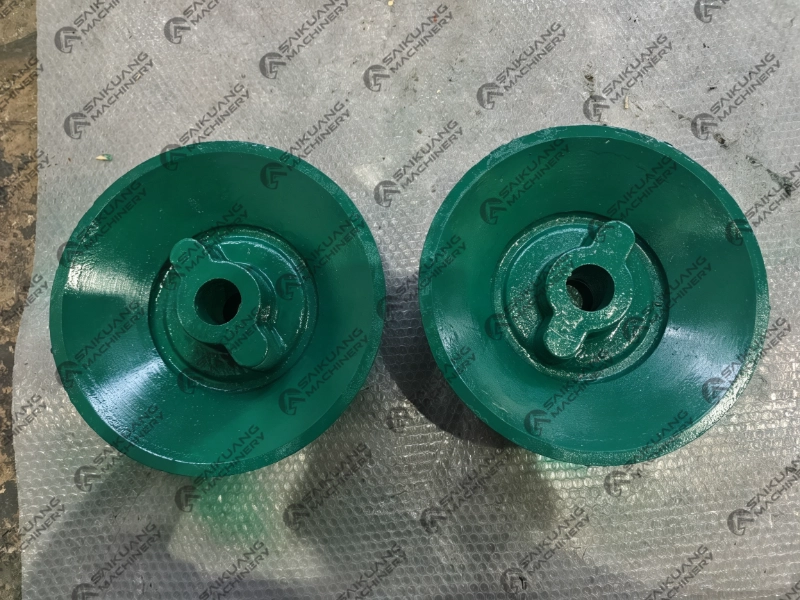
Rotor assembly parts (distributor plate, feed eye ring, rotor body) – They wear slower but are more expensive to replace. Casting defects can lead to cracking and serious machine damage.
OEM vs Aftermarket Parts for VSI Crusher Parts
Many buyers wonder which to choose. Here’s a quick comparison:
-
OEM parts – Higher price, stable quality, exact fit. Best if your crusher is still under warranty.
-
Good aftermarket parts – Competitive price. Good foundries can offer improved alloys and heat treatment. For older models, they can match or even beat OEM life.
-
Cheap aftermarket parts – Very low price, but alloy content often doesn’t meet specs. Quality varies from batch to batch. Only use for short trial runs.
-
Practical advice: Use OEM for key mechanical parts (shafts, bearings). For consumable wear parts, choose qualified aftermarket suppliers after trial testing.
Alloy and Heat Treatment Decide Real Lifespan
Two batches of Cr26 high‑chrome parts can have very different wear lives. The difference usually comes from heat treatment, not just chemical composition.
Choose the right alloy for your condition:
| Alloy | Hardness (HRC) | Best for |
|---|---|---|
| Cr20 (18‑22% Cr) | 58‑62 | Moderate abrasion with mixed impact |
| Cr26 (24‑28% Cr) | 62‑65 | High abrasion, but more risk of cracking under heavy impact |
| Mn18Cr2 manganese steel | Tough, not hard | High impact, not for fine abrasive silica sand |
| Bi‑metal + tungsten carbide insert | Very hard | Extreme abrasive rock (granite, quartz sand) – higher cost |
When talking to suppliers, ask for:
-
Austenitizing temperature and soaking time
-
Quenching method (water, air, oil)
-
Cross‑section hardness test reports (not just surface)
-
Batch heat‑treatment records for your order
Supplier Selection Checklist
Don’t decide VSI Crusher Parts only on price. Use this checklist:
-
Material certificate – Ask for batch‑specific chemical analysis, not a general sheet.
-
Hardness test reports – Check bulk hardness from cross‑section samples.
-
Real factory or trader? – Request photos of their foundry and heat‑treatment equipment within 24 hours. Traders can’t provide these.
-
Customer references – Get contacts of other clients running similar crushers on similar rock.
-
Trial order support – Run a full wear cycle test before buying in bulk.
-
Delivery performance – Ask for their on‑time delivery rate over the last 12 months.
-
After‑sales terms – Get a written warranty and claim process.
Common Mistakes When Buying VSI Crusher Parts
-
Only comparing unit price – always calculate cost per ton.
-
Accepting vague descriptions like “high chrome” – ask for exact chromium %.
-
Ignoring heat treatment checks – correct alloy without proper treatment won’t perform.
-
Skipping trial runs before bulk orders – sample quality may differ from mass production.
-
Confusing trading companies with actual foundries.
-
Picking an alloy without considering your feed material (limestone, granite, silica sand, recycled concrete, etc.).
-
Poor safety‑stock planning – order well before the expected replacement date.
Calculate Real Value: Cost Per Ton
Use this formula:
Cost per ton = (Parts cost + Labour cost for replacement) ÷ Total tons processed per set
If you don’t have tonnage data, use running hours × average hourly throughput.
Even expensive premium tips can lower total operating cost – they reduce change frequency, cut labour, and avoid production losses from frequent shutdowns.
Match Alloy Grade to Your Rock Type
Your feed material decides which alloy works best.
| Feed Material | Recommended Tip Grade | Recommended Anvil Grade |
|---|---|---|
| High‑silica sand | Carbide‑insert | Bi‑metal or Cr26 |
| Granite / basalt / quartzite | Cr26 or carbide‑insert | Cr24‑Cr26 |
| Limestone | Cr20‑Cr22 | Cr20 |
| River gravel | Cr24‑Cr26 | Cr22‑Cr26 |
| Recycled concrete | Mn18 or balanced Cr20 | Cr20 |
Conclusion
When sourcing VSI crusher parts, don’t chase the lowest price blindly. Focus on material certification, heat‑treatment control, batch consistency, site trial performance, and cost per ton.
OEM parts are a safe choice for mechanical components under warranty. For consumable wear parts, good aftermarket manufacturers can offer cost‑effective alternatives – but only after proper qualification and trial testing.
If you need reliable VSI crusher wear parts for your plant, contact us for technical support and a quote. We support sample trials, single pieces, and bulk orders.
Your Reliable Partner for VSI Crusher Parts
Email: infosk@skpremiumcasting.com
Tel: 0086-17351780508