
Material Selection For Crusher Wear Parts
In the demanding world of aggregate processing and mining, crusher wear parts are your first line of defense. Selecting the correct material isn’t just a maintenance decision—it’s a critical business decision that impacts your operational costs, downtime, and overall productivity. With several leading options available, how do you choose? Let’s break down the champions of the crusher wear parts arena.

1. Manganese Steel: The Workhorse for High-Impact
Manganese steel (typically 14%, 18%, or 21% Mn) is the undisputed king of impact resistance. Its superpower is a phenomenon called work-hardening. The material doesn’t start at its hardest; instead, it becomes harder and tougher as it absorbs continuous impacts.
-
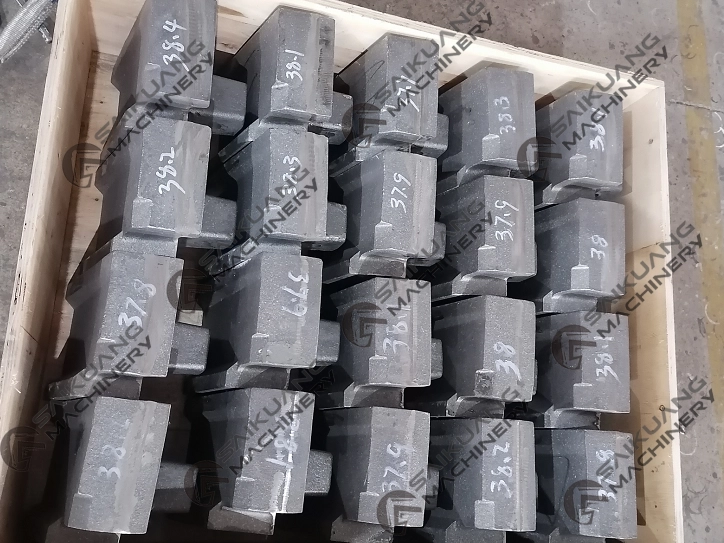
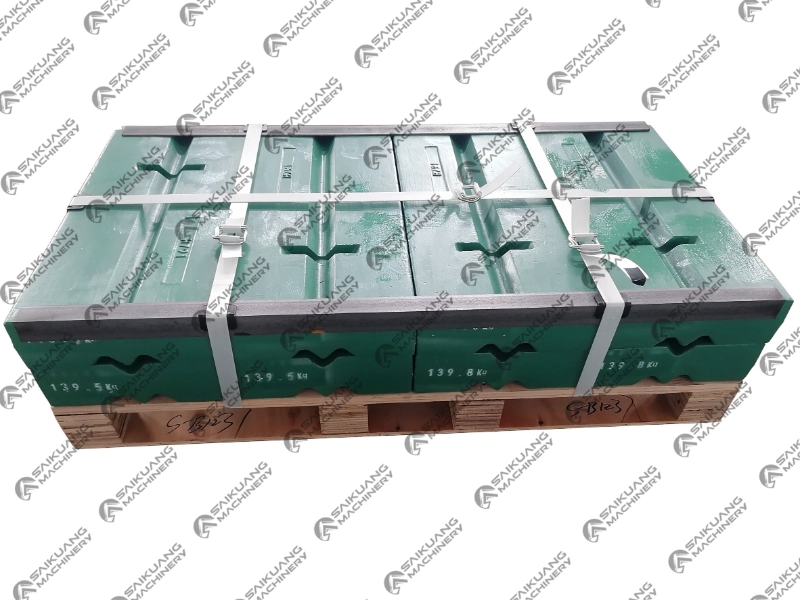
Best For: Jaw crusher plates, cone crusher mantles and concaves, impact crusher hammers and blow bars in high-impact applications.
-
Key Advantage: Unmatched ability to withstand heavy shock and deformation without fracturing. It develops a hard, wear-resistant surface while maintaining a tough, shock-absorbing core.
-
Consideration: In less abrasive, low-impact conditions, it may not work-harden effectively, leading to faster wear than other materials.
2. Martensitic Steel: The Abrasion-Resistant Warrior
When the primary enemy is severe abrasion rather than massive impact, martensitic steel (often classified as T500 or similar) steps into the spotlight. This material is heat-treated to achieve a very hard, martensitic microstructure from the start.
-
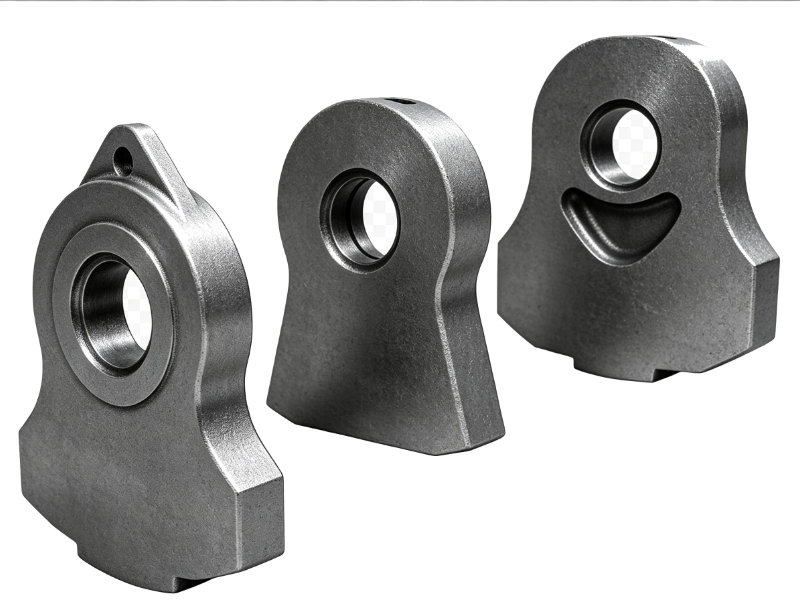
Best For: Blow bars and hammers in highly abrasive applications (e.g., recycling, asphalt), cone crusher liners, and wear plates.
-
Key Advantage: Offers exceptional initial hardness (500-600+ HB) for superior resistance to abrasion.
-
Consideration: It is more brittle than manganese steel and can be susceptible to chipping or breaking under extreme impact loads.
3. Chrome Steel: The Balanced Defender
High-Chromium White Iron is a powerhouse for combating extreme abrasion. Its structure is filled with hard chromium carbides that act as a robust barrier against wear.
-
Best For: Vertical Shaft Impactor (VSI) anvils and shoes, pump parts, and slurry handling applications where abrasion is the primary concern.
-
Key Advantage: Arguably the best resistance to pure abrasion among metallic options.
-
Consideration: Similar to martensitic steel, its toughness is limited, making it vulnerable to fracture under impact.
4. Alloy Steel: The Tough and Economical Choice
Alloy steels (like 4140 or 4340 steel) are strengthened with elements like chromium, molybdenum, and nickel. They offer a great balance of strength, toughness, and wear resistance at a lower cost.
-
Best For: Crusher shafts, gears, housings, and other structural components that require high strength and good fatigue resistance rather than direct wear surfaces.
-
Key Advantage: Excellent toughness and strength, making it ideal for parts that must withstand high stress without breaking.
-
Consideration: Its wear resistance is generally lower than the specialized materials above, so it’s not typically used for direct wear liners in highly abrasive environments.
5. TiC Inserts: The Game-Changer for Maximum Life
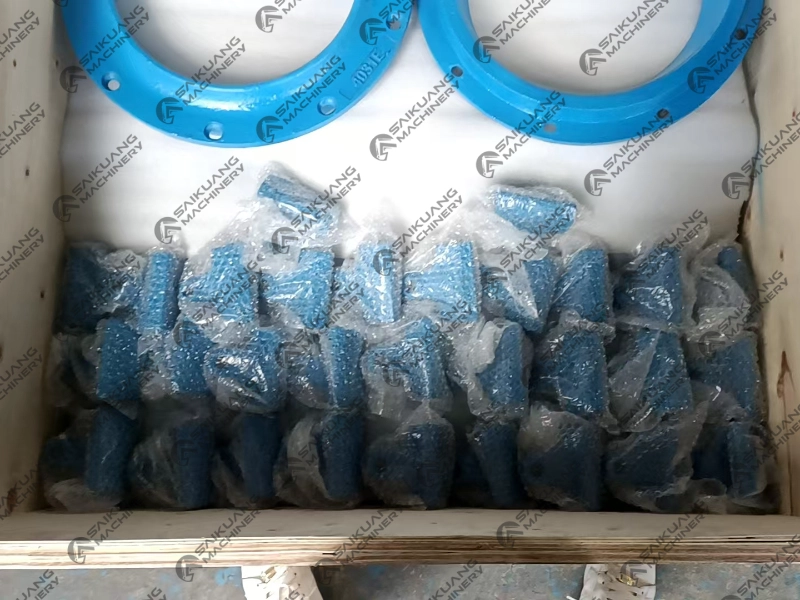
For the ultimate in wear life, TiC Insert Crusher Wear Parts represent a technological leap. Instead of a homogeneous material, a super-hard Titanium Carbide (TiC) ceramic insert is embedded within a durable steel matrix (often a tough alloy steel).
-
Best For: Blow bars, jaw plates, and cone liners in the most severe, high-abrasion applications in cement, mining, and hard rock processing.
-
Key Advantage: Delivers a monumental increase in service life—often 200% to 700% longer than standard manganese or martensitic steel. The TiC inserts do the hard work of resisting abrasion, while the steel matrix absorbs impacts.
-
Consideration: The initial investment is higher, but the cost-per-ton-crushed is significantly lower, offering the best long-term value for demanding operations.
The Verdict: It’s All About the Application
There is no single “best” material—only the best material for your specific conditions.
-
High Impact? → Manganese Steel
-
Pure, Severe Abrasion? → Martensitic or Chrome Steel
-
The Ultimate Balance & Longevity? → TiC Insert Parts
-
Structural Components? → Tough Alloy Steel
By understanding the strengths of each material, you can make an informed choice that maximizes your crusher’s uptime and minimizes your total operating costs. Consult with your wear parts specialist to analyze your feed material and operational data—they can help you select the perfect “armor” for your battle against wear.
Ready to Conquer Wear and Tear? Partner with Saikuang!
Now that you’re equipped with the knowledge to select the ideal wear material, it’s time to put that knowledge into action. At Saikuang, we don’t just supply Crusher Wear Parts—we provide tailored wear solutions that match your specific application, feed material, and operational goals.
Let’s discuss how our crusher wear parts can increase your productivity and reduce your cost-per-ton. Contact us now for a free consultation and quote.
Wechat:008617351780508
Whatsapp: 008617351780508
Email:jason@saikuangcasting.com